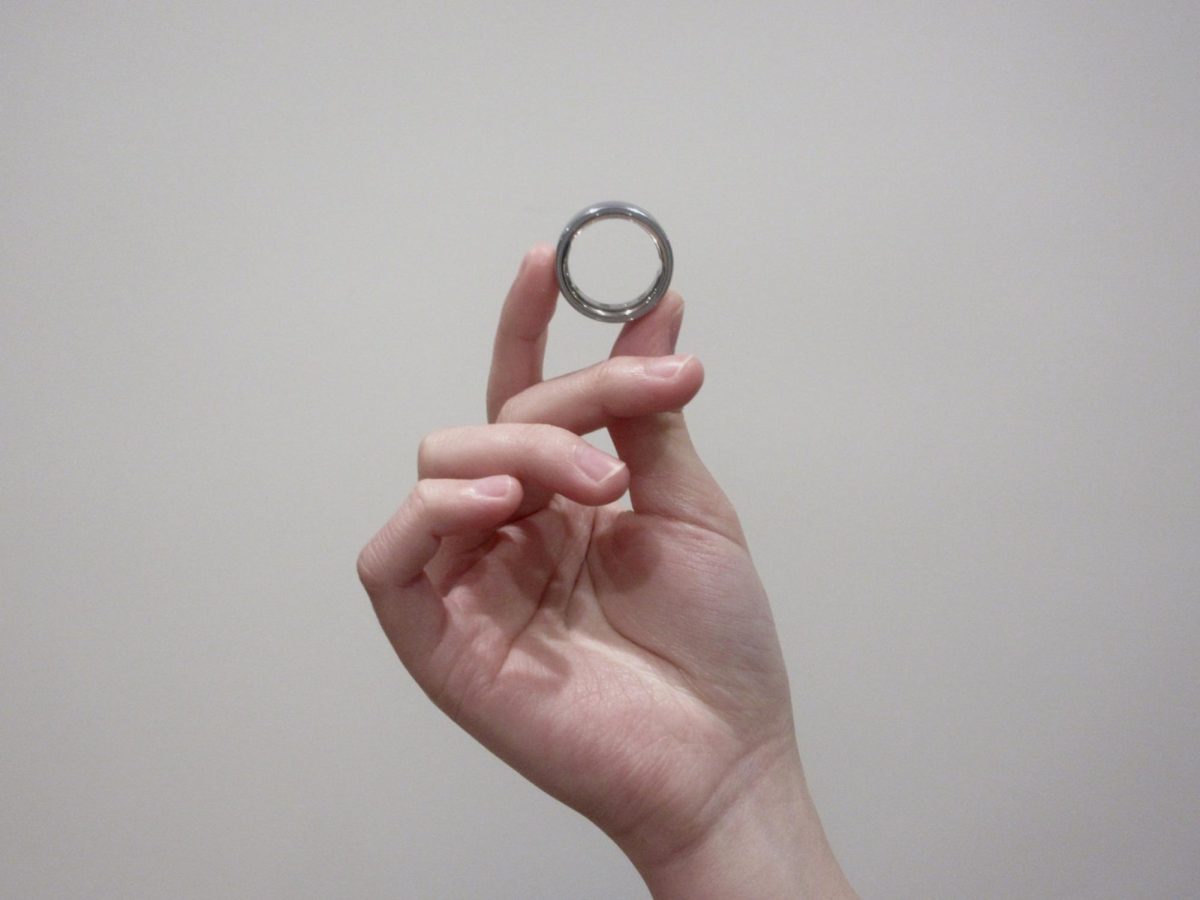
With 2026 in progress, many students are advancing health related new years resolutions to achieve better sleep, lower stress, and improved overall well-being. To monitor their progress, many students have turned away from traditional fitness trackers to the sleeker smart rings, particularly the Oura Ring. Modern health trackers like the Oura Ring promote a holistic approach to health tracking and reflect a broader shift in how people define “being healthy.” It’s less about counting steps and more about understanding the body’s patterns and needs.
The Oura ring — retailing for $349-$499 with a $69.99/yr subscription — provides comprehensive data on sleep, activity, readiness, heart health, and women’s health, and has become popular among students and staff at SHP interested in long-term wellness. For Sophia Chen ‘27, who has worn her Oura ring for over a year, comfort and accessibility were key factors in her decision to use the device. “I didn’t like how bulky the Apple Watch was,” she explained, adding that the ring allowed her to monitor her heart rate and other vital signs without the use of separate devices. One of the features she finds most helpful is Oura’s symptom predictor. “If my temperature or heart rate starts to rise, it recommends that I take it easy,” she said, “It’s been really accurate at predicting when I’m about to get sick.” For students trying to stay healthy and avoid burnout in the new year, this kind of insight can be especially valuable.
Matthew Montenegro, a Dance Teacher, shared that he saw Oura as a way to step back from mobile technology while still maintaining access to valuable health data. “I wanted a health tracker that wasn’t an Apple Watch,” Montenegro said. He continued, “I’ve been trying to disconnect from technology that gives me constant texts and calls, but I still loved the health tracking features.” Having worn the ring since last summer, he finds that its simplicity supports a more mindful relationship with technology. This constant yet unobtrusive tracking allows for consistency rather than appliances that are incompatible with everyday life.
The rise of smart rings reflects a broader cultural shift towards mindful self-improvement. Beyond physical health, the Oura Ring encourages users to slow down and listen to their bodies, something Montenegro says has personally changed his mindset. “It’s made me more aware of listening to my body,” he shared, “I’ve always been very go, go, go, and it’s forced me to slow down.” In a time where schedules are demanding, smart rings offer a reminder that progress doesn’t always come from doing more, but simply listening better.