It’s okay to disagree with your parents. Especially in this politically divided moment, disagreeing with your parents on contentious policy issues can seem like a personal betrayal. But that only makes fostering open conversations between people with diverse political opinions more crucial — especially within a family. All people, regardless of age, are called to discover their own opinions and contribute to the conversation, as practicing expressing your voice with family prepares you for a life of being vocal. The process of developing personal beliefs begins when young people think critically about whether they accept or reject the opinions they consume. With this in mind, parents have a duty to foster respectful dialogue with their children.
Becoming your own person takes effort. As a teenager, you occupy the liminal space between child and adult in which you must still respect the authority of your parents, but also are expected to prepare to enter the world on your own. While you’re expected to abide by their rules and respect their values, you also have a duty to form your own opinions. When you’re a child, your parents are your primary source of information. Now, you have friends, news outlets, social media, teachers, and others all around you expressing views that may conflict with what you’ve been told growing up. You should embrace the “wise freedom” and “social awareness that impels to action” that our Sacred Heart education champions to form and defend your own perspectives.
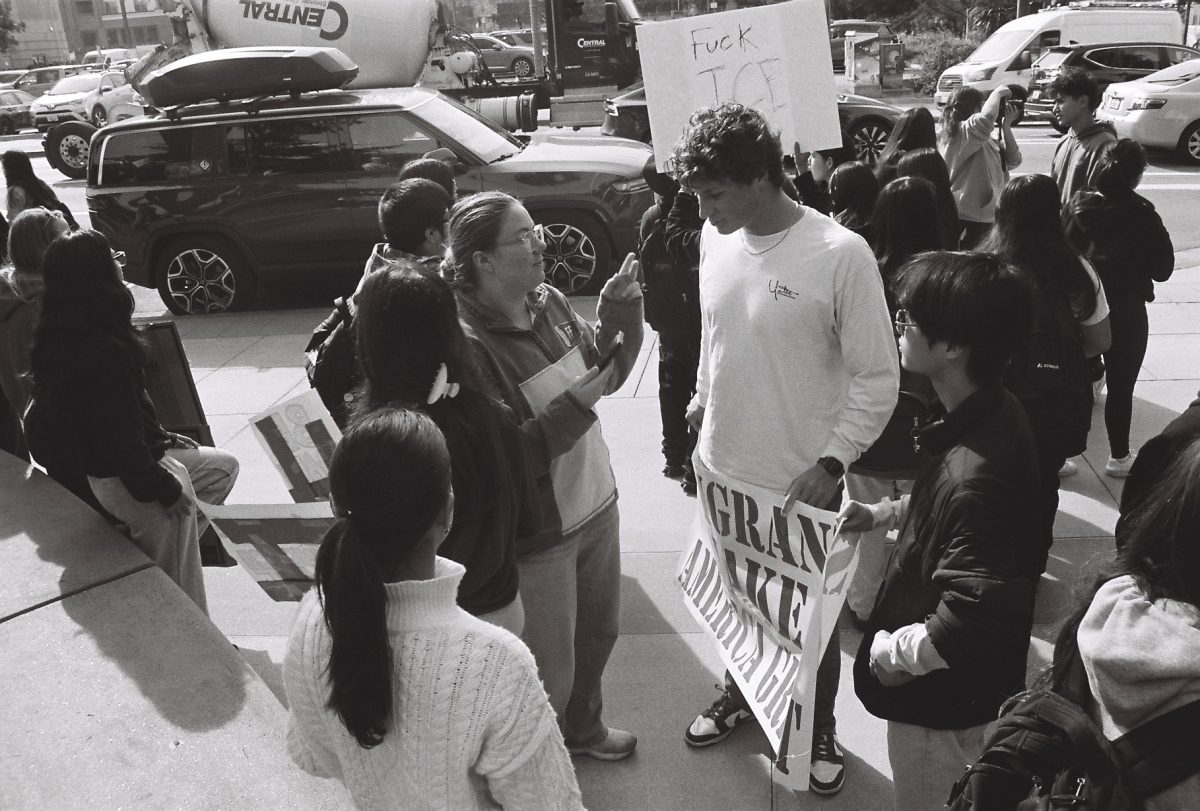
When you become a teenager, it is your job to stand up for your own beliefs. This job can make an impact. When Martha Stewart’s fourteen-year-old granddaughter texted her, “I’m not sure it’s excusable to not be speaking up right now,” in relation to actions taken by United States Immigration and Customs Enforcement (ICE), Stewart went on to post the text to her Instagram story and make her own statement supporting immigrants. You, as a young person, have an obligation to challenge your parents. The young can dream of an ideal world — our job is to look beyond systems in place towards a better future. Your voice, your ideas, can change minds and make a real difference.
In protests over the Vietnam War, it was young people who asserted that peace was a better option. Although older generations believed intervention was necessary, young voices brought peace to the center of political conversation. Their message of peace was something only youth, who had not yet accepted the boundaries older generations recognized as concrete, could envision.
It goes without saying that parents will share their political views with their children. There’s nothing wrong with this. A significant part of parenthood includes imparting wisdom upon younger generations. But this process can become problematic when parents force their beliefs on their children and discourage open dialogue.
Parents hold power over their children and set the tone of their household. It is, therefore, the responsibility of parents to foster an environment where dialogue is encouraged, and children can hold their own, possibly divergent, political beliefs. This means recognizing that when your child disagrees with you, even in a passionate, lively manner, it is not a sign of disrespect. On the contrary, disagreement should be interpreted as evidence of a child’s critical thinking.
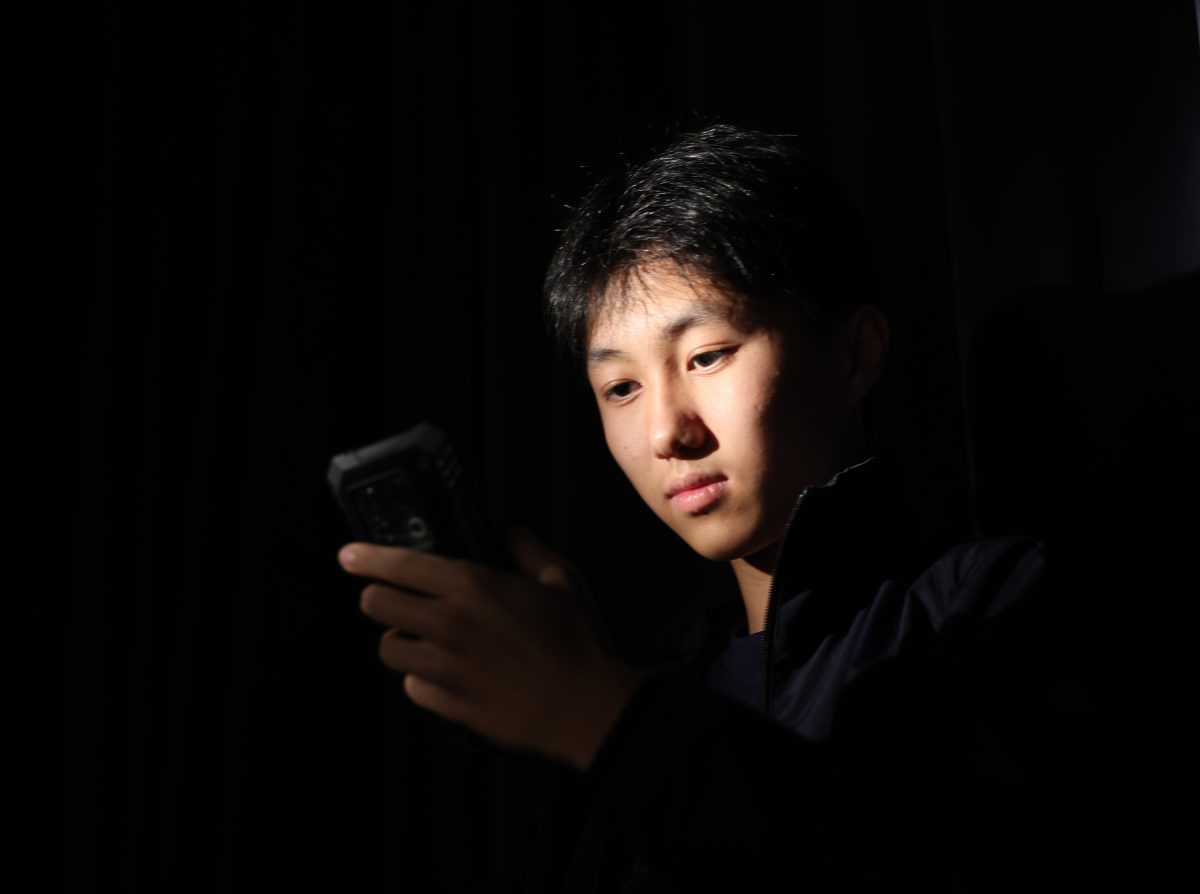
This openness is especially critical in this moment of heightened political tension, when it seems like everyone is weighing in on political topics. While having many inputs isn’t a bad thing, it can create confusion for young people trying to figure out where they stand. The home should be a place where children can develop their political beliefs, rather than an echo chamber where their beliefs are prescribed for them.
We are beginning our adult lives and departing for college. We should not do so with tenuous, half-formed political stances. We need to think critically and independently, test our beliefs, and boldly advocate for the ideal world we envision.