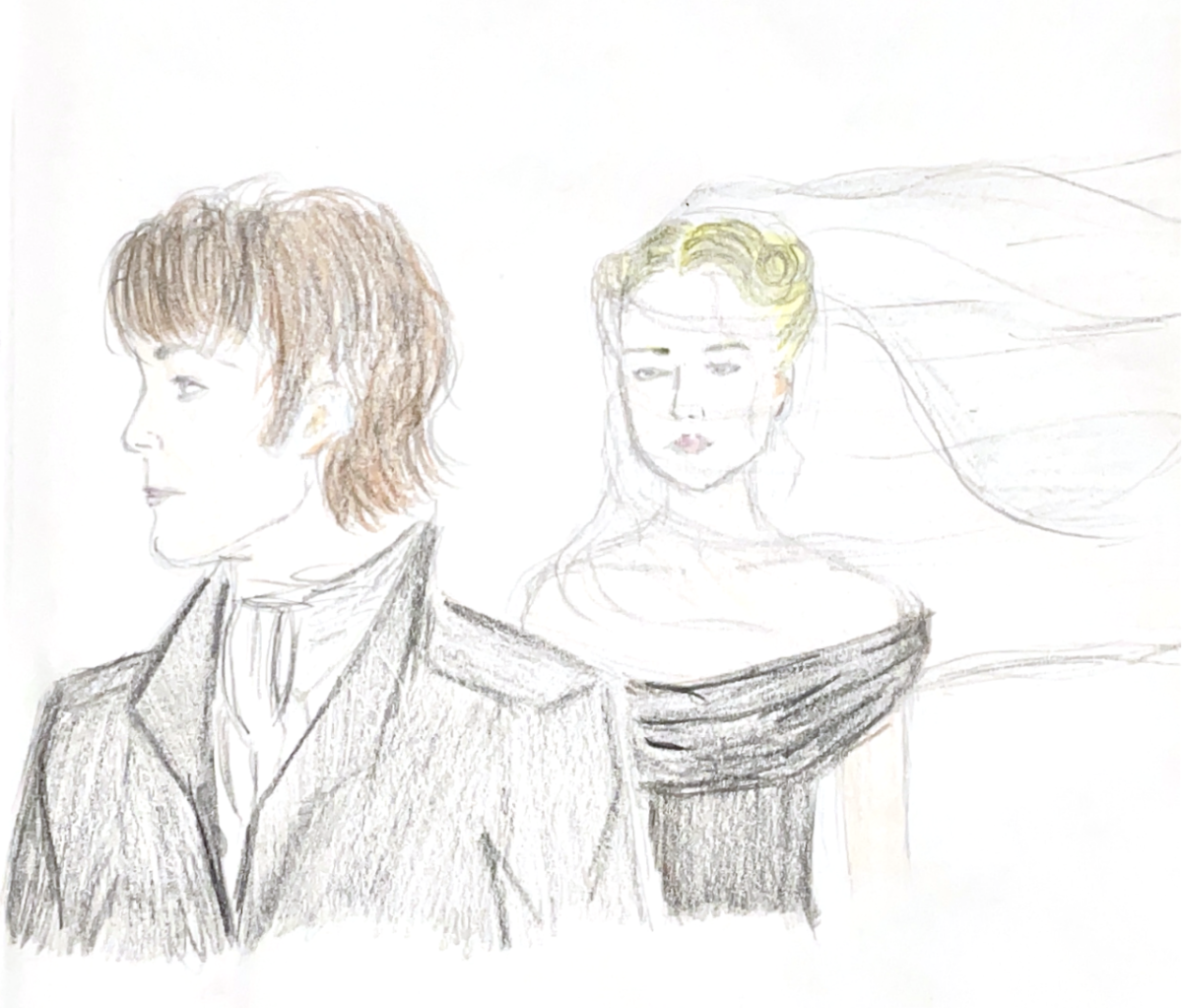

For Alexandra Barycza, SHP Alum from the class of 2024 and current student at Parsons School of Design, the shift from SHP’s more concentrated, close-knit on-campus community to a large, #1-ranked New York City arts college with over 5,700+ students was less of a smooth transition and more of a “creative culture shock.”
Majoring in Fashion Design, Barycza addressed the “overwhelming” first impressions of entering an entirely new academic environment, especially “[going] from a…focus studying STEM or math-related topics to a school filled with artists,” she said.
Parsons, part of The New School, offers a wide variety of undergraduate programs towards a Bachelor of Fine Arts (BFA) or Associate of Applied Science (AAS) degree, to ensure the technical skills necessary for future work in a specialized field. The program also supports students with studio-focused and long-term advanced creative careers, and overall aims to “dissolve walls between disciplines” and redefine how art is used in the world.
Looking back, Barycza sees her initial “unfamiliarity” as essential to her motivation and self-growth. Being immersed in a passionate student body full of individuals “liv[ing] and breath[ing] creativity,” she felt encouraged to “test boundaries of what art and design is.” For her, Parsons offered a hub of unlimited inspiration and artistic freedom.
Like any major, good work and maintaining high grades take immense time and dedication. Between her three core studio classes, including design, visual, and technical, Barycza spends around six hours at a time with the same group of 15-20 dedicated students. Critiques, structured discussions, and feedback are a major part of life at Parsons, occurring every other week. Although critiques can cause the discovery of new aspects of concepts, she emphasizes that critiques are, first and foremost, opportunities for vulnerability and “great practice in gaining confidence” that she can apply in every area of life, especially in breaking away from one’s ability to be easily influenced. “At the end of the day,” she recommends, “you [need to] believe in the work you’re producing” to create your best material.
Last semester, Barycza took on and completed two of her focal major projects. The first was an experimental dress titled Get Her Out! and a shirt, Miss Darcy, executed for a studio final. Get Her Out! combined aspects of mixed media, layering abstract shapes and patterns based on historical and artistic research, period piece fashion, and accurate clothing-wear statements. Barycza explained, “[the project] was all about how [she] could take these elements and turn them into something new and exciting” throughout her drafting process, spending time painting and drawing ideas, before beginning with garment construction. Following a similar theme, the Miss Darcy shirt paid homage to Barycza’s love of Jane Austen’s “Pride and Prejudice,” with an angle of exploring women’s empowerment and identity through Regency-era menswear and womenswear. Fashion tells a visual story — it acted as an opportunity to challenge, or conform with, the strict societal, often class-based norms of domesticity and modesty shaping women in the 1790s to 1820s. For Barycza, inspiration starts by investigating and “diving deep” into hyperfixations, leading to experimentation and setting her up for success in making something “vibrant, extravagant, and fun.”
Exploring the subjects that bring the most genuine joy and passion into your life makes all the difference. Looking back, Barycza wishes she had recognized the value in giving time to “let projects wander” and run with these interests. “Don’t be afraid to get sidetracked a bit…most of the time, these new pathways are what make your project great.” As she pointed out, we all have unique perspectives, beliefs, and ideas, so it’s important we don’t lose sight of these values, despite overwhelming pressure and the sway of teacher or student voices. Above all, Barycza encourages students considering art school to go for it. “It’s not always conventional, and it’s extremely personal, but that’s what makes it so rewarding — art and design have the power to change the world’s perspective.”