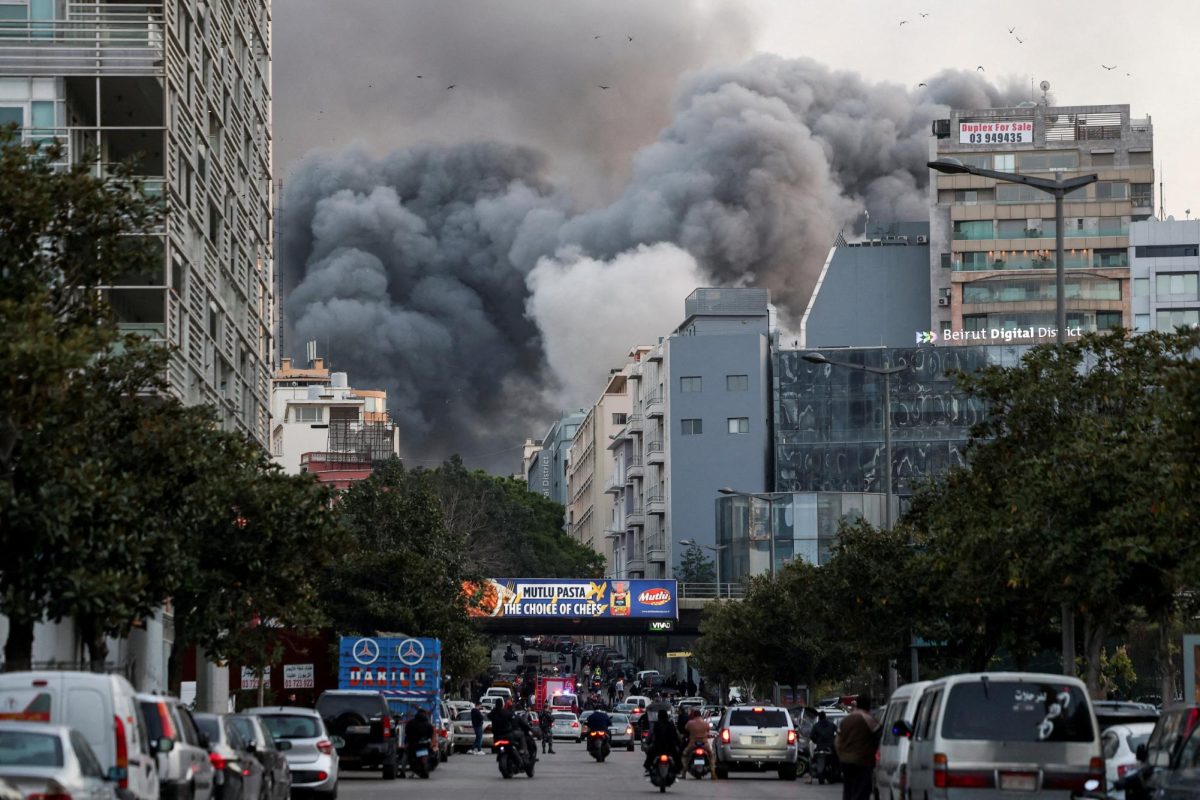
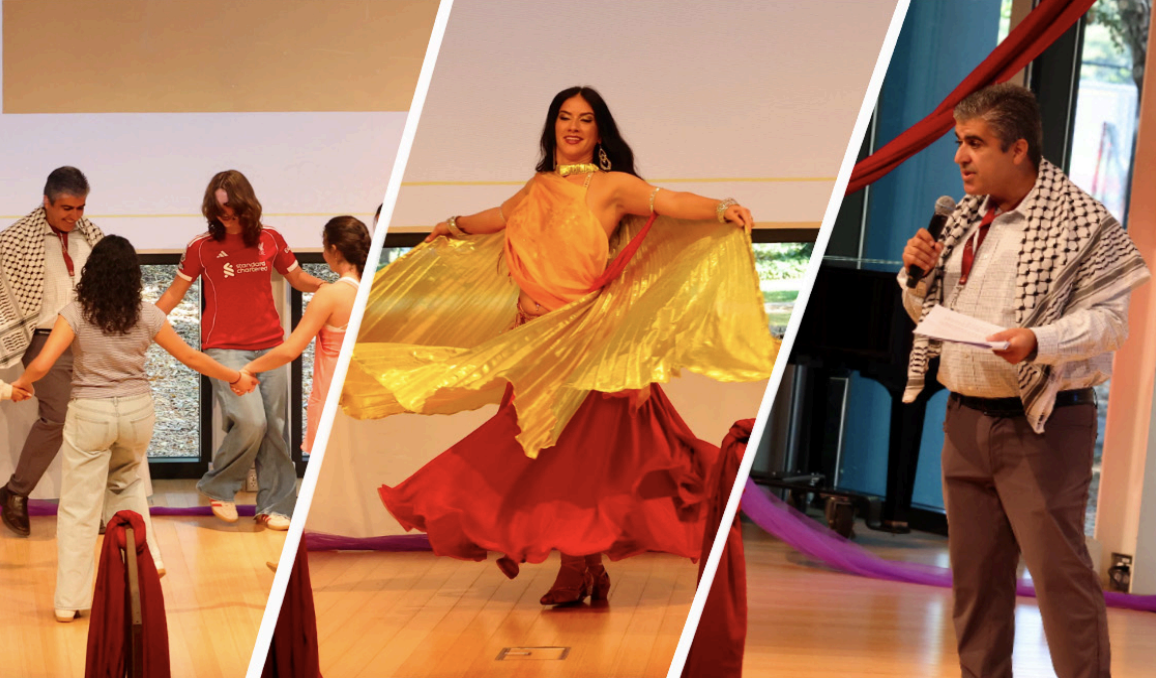
Despite the ceasefire, the conflict in Gaza has deep emotional and political significance for people around the world — including members of the SHP community.
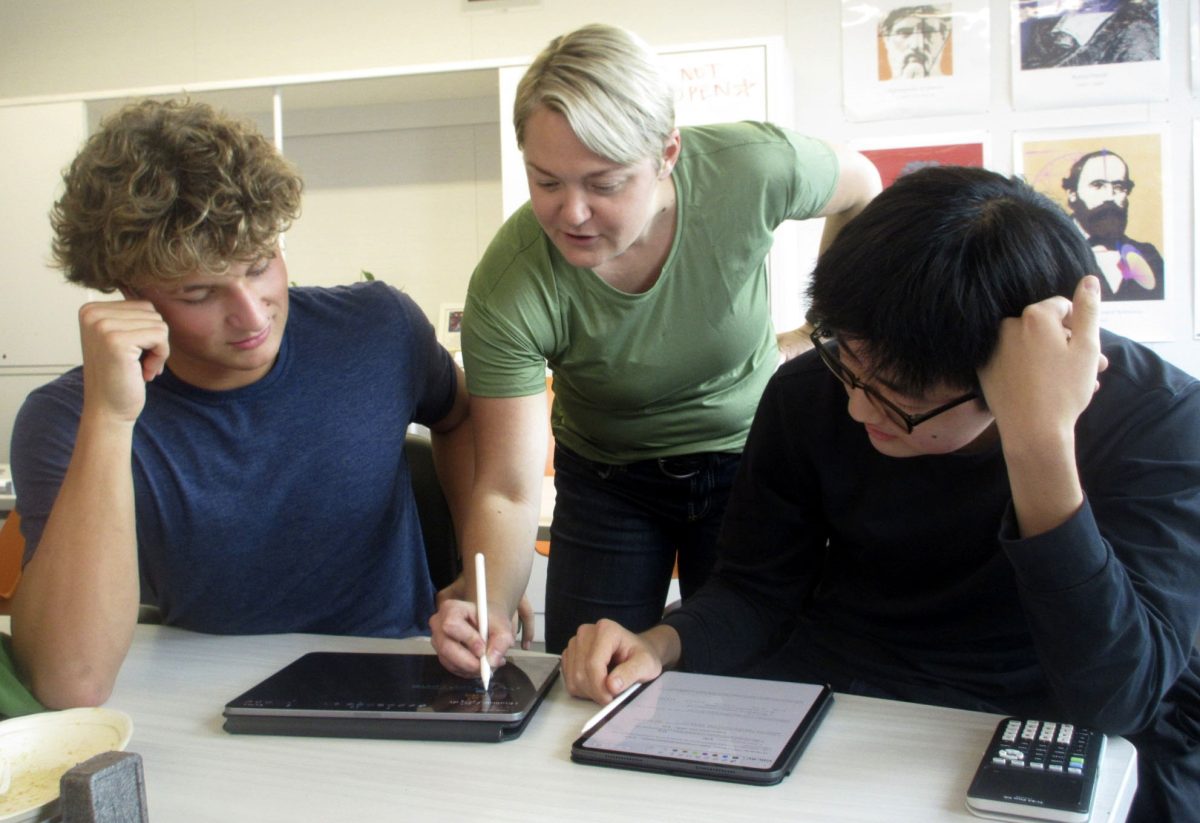
Mr. Gus Elmashni, a math teacher at the Prep, describes his own experience with the crisis. To him, images of children in Gaza have been especially difficult to consider. “These are children — I have a son who’s nine, and he was seven when this all went down. Have these kids gone to school, what do they have to eat? This is what a lot of people seem to ignore.”
For Elmashni, the crisis is not recent news. It started before he was born, and he grew up hearing about major events in Middle Eastern diplomacy. The current war reminds him of those earlier attempts at peace. “There’s so much history that has happened in my 48 years. My dad too, he was born in ‘44 in British Mandate Palestine,” he explained.
The history of the crisis taught Elmashni that peace is fragile. “I tend to have a very cynical view of this… I hope eventually people will realize that it can’t get any worse and we will have to work towards some sort of statehood. But you kind of feel like… extremists don’t want to see peace. They kill their own people.” He is talking about the militant nationalist groups on both sides, like Hamas in Palestine and Israeli extremist movements that have repeatedly opposed peace deals and caused violence over the conflict.
Despite the ceasefire currently in place, Elmashni doesn’t have much hope for a full resolution of the conflict. “Gaza has been totally destroyed, and here’s the thing, Israel will definitely break the ceasefire…. It was bad before October 7th [2023], and it’s gotten worse. Ten percent of the population has been killed.”
Elmashni noted that our response to the crisis “definitely ties closely to Goal Three, a social awareness that impels to action. We haven’t necessarily taken action, like a fundraiser or a drive for clothes for kids in Gaza. He explained, “we are aware of what’s happening—there’s starving kids who have lost their homes, lost family, and probably don’t have access to shoes or books… I think initially we didn’t do anything because it was such a hot button topic, but at this point, Gaza’s been completely annihilated, so where are these people gonna go?”
Sloane Smith ‘27, a leader of the MENA affinity group, also has personal experience with the conflict. “A lot of people think this started in 2023, but for me, it’s been something I’ve been aware of my entire life,” she said.
She also describes misinformation as one of the most harmful parts of the crisis, both online and in daily conversations. “The worst thing right now is all of the misinformation,” she explained. “There’s so much of it… and it turns into fear, and it becomes, oh, you’re an evil human being. But no, we’re allowed to recognize people who died, even if they’re Israeli.”
Smith explained that “there’s a lack of overall hope that Palestine will become a state, and just seeing Gaza being decimated and the mass casualties… It’s really hard not to think about it a lot of the time, and it’s really just devastating. My pain is not even close to what they’re feeling right now, but I have family who have died because of it.”
Smith believes that knowledge and awareness is especially crucial for SHP. “I feel like as a community, the best thing we can do is stay informed. I’ve heard people say things that are entirely false and extremely harmful… Using the power of our voices and the power we have being able to stay informed is really important… There’s some Americans that are totally abusing the movement and using it for harm, and it takes away credibility,” she explains. The way information is passed today is polarizing and sometimes harmful, and this is especially shown in the way Gaza is portrayed in the media.
Smith concluded by saying, “At the end of the day, [staying informed] is the most important thing we can do. Not everyone can donate money. If you don’t stay informed as a community, you can’t have dialogue… [and] having dialogue is the most important thing.”