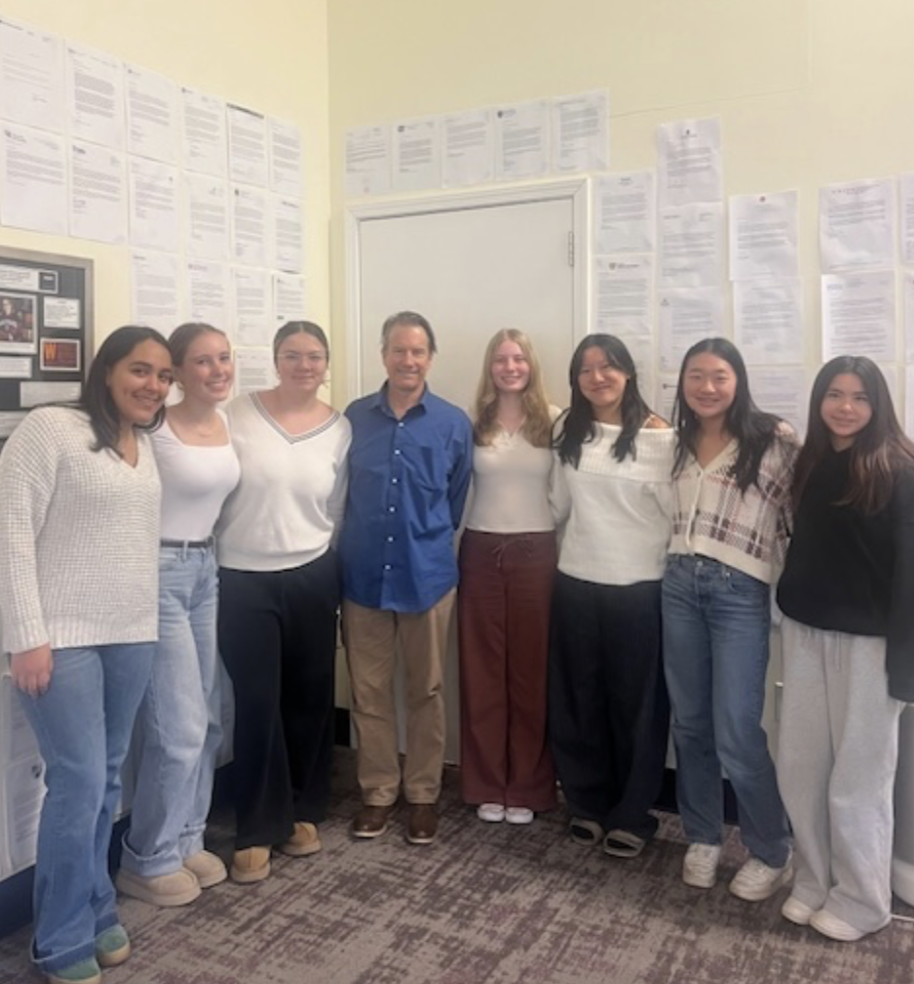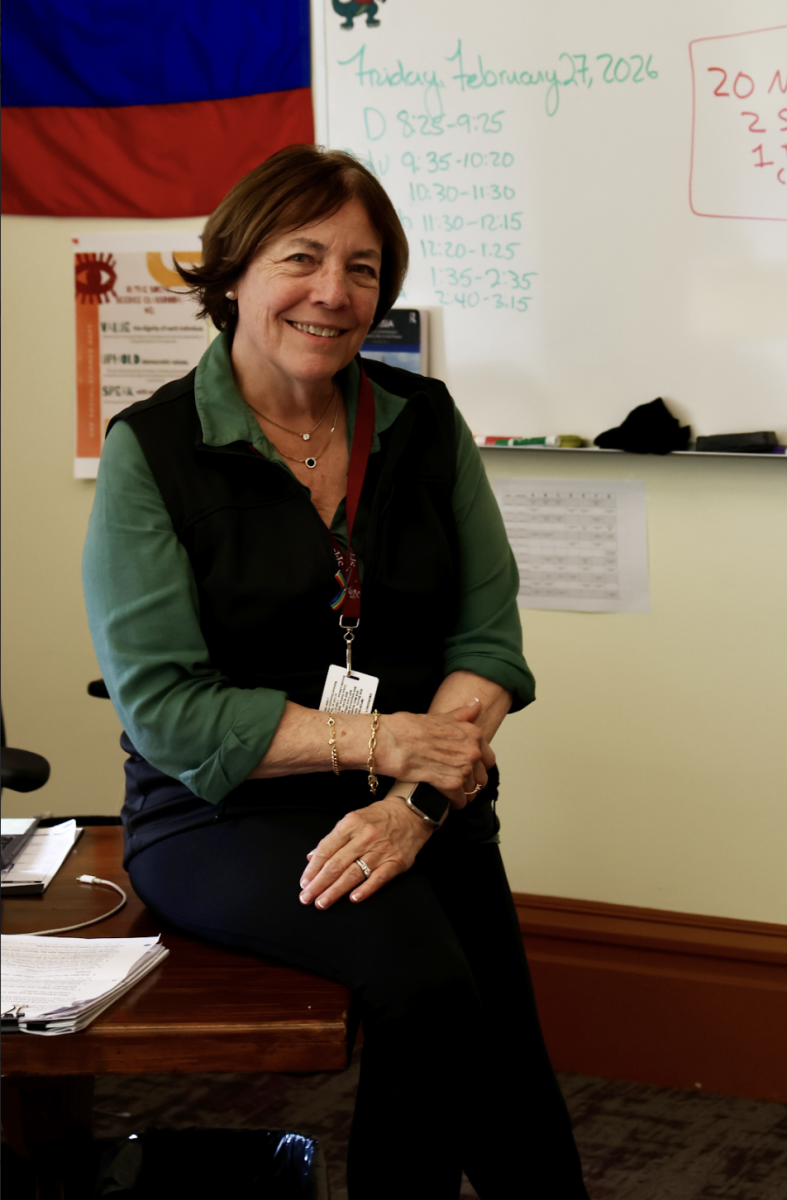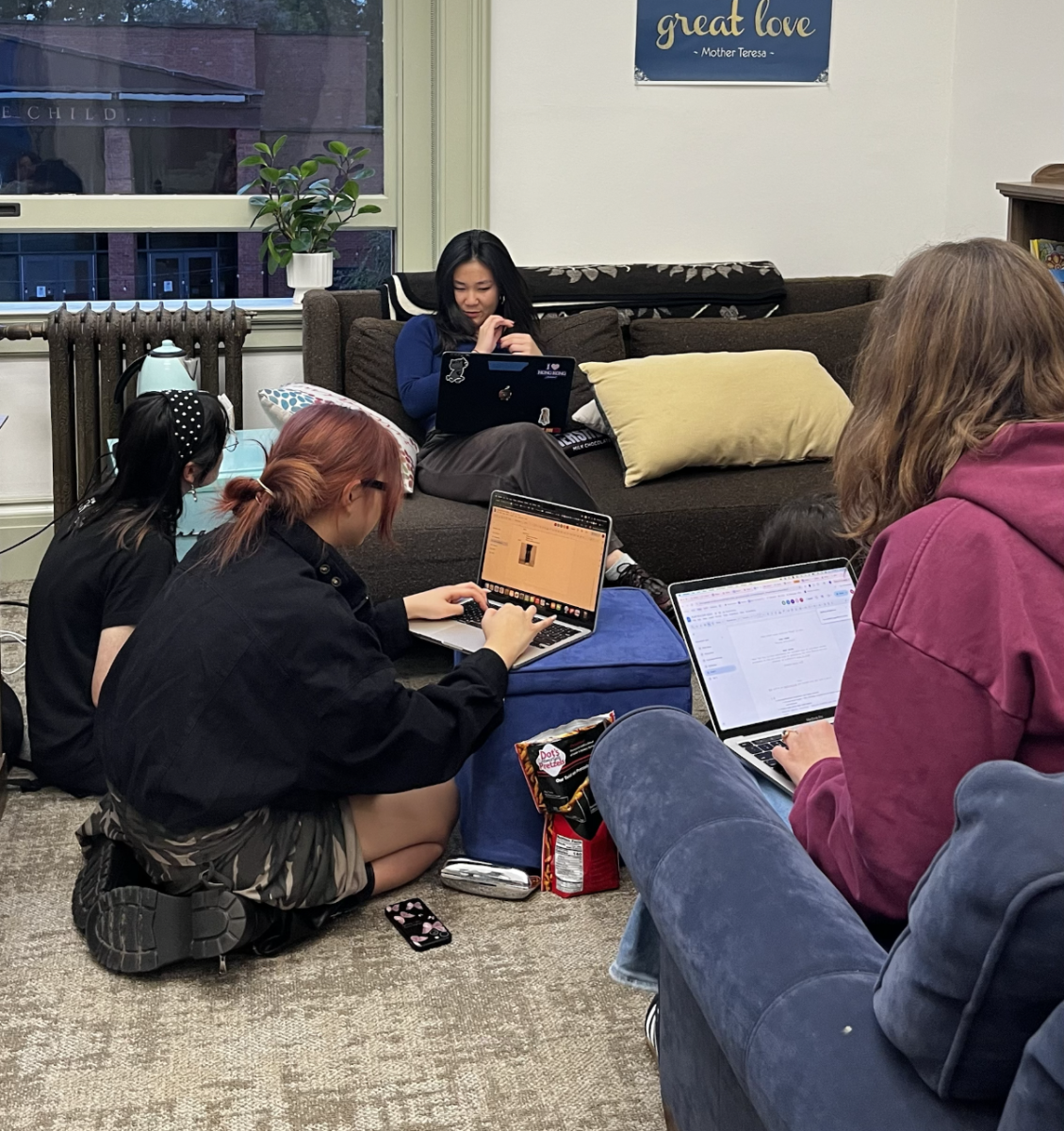
For the first time, Sacred Heart Prep students are competing in National History Day, bringing a new level of research, collaboration, and presentation to history classrooms. This year, juniors and seniors in AP World History, AP Government, Comparative Government, and Modern China participated in the project. According to history teacher Mr. Ben Hunter, the department had hoped to implement National History Day “for the last few years,” but this was the first year it officially launched across “six classes [with] around 100 students.”
At SHP, students created thesis-driven websites tied to this year’s theme, “Revolution, Reaction, Reform.” Each project included a process paper and an annotated bibliography of roughly 25-30 sources. According to Hunter, “topics ranged from feminist movements to Tiananmen Square.” Three SHP groups and one individual project advanced to the district competition next month, where they will present again. District winners then move on to the state competition. If they qualify, they attend the nationals in Washington, D.C.
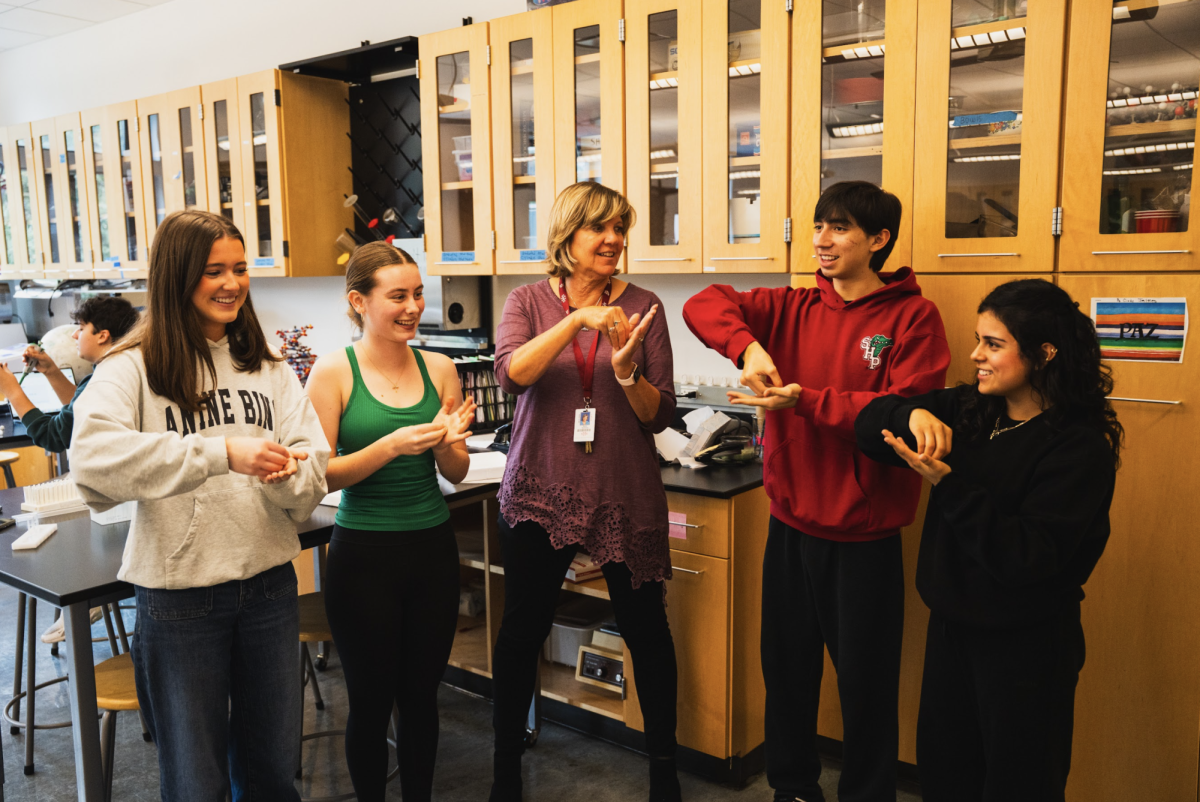
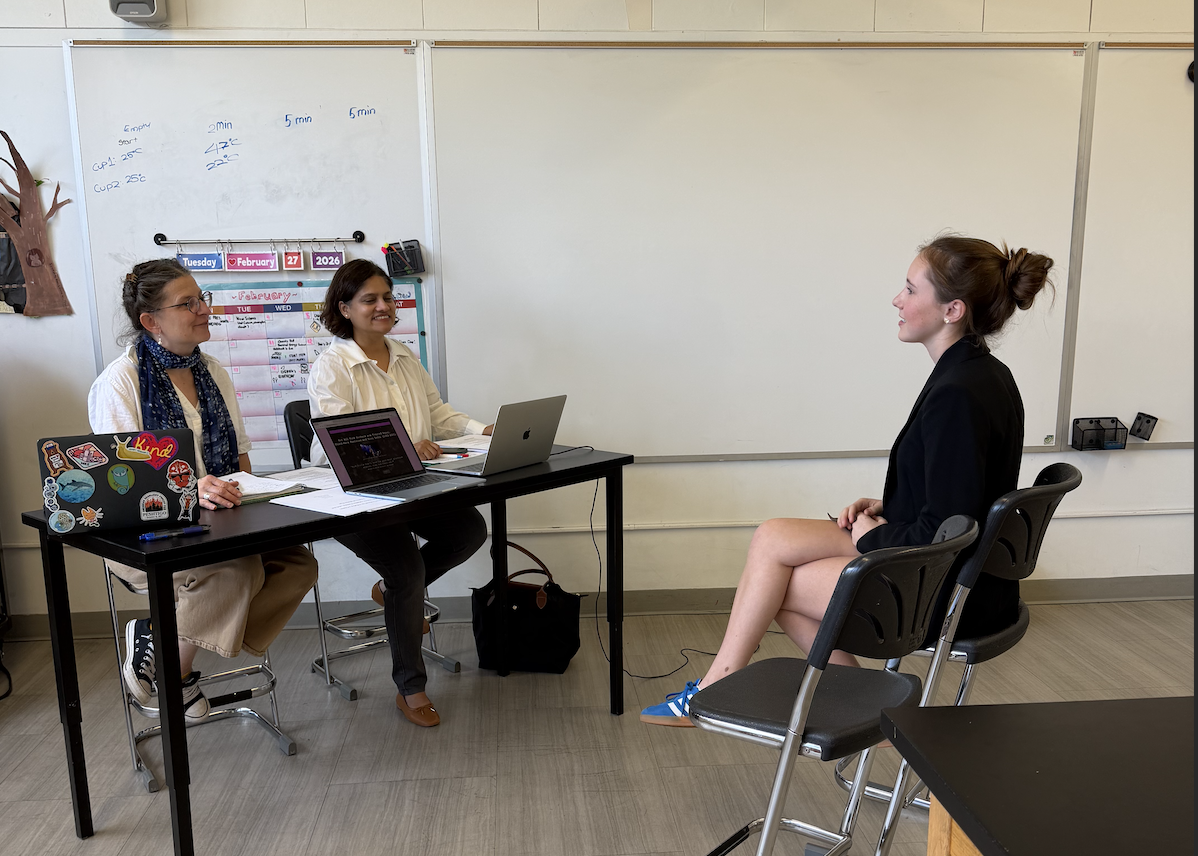
Unlike a traditional research paper, National History Day focuses on research depth and presentation. Projects were evaluated by a panel of four social science teachers—Ms. Serene Williams, Ms. Kristen Kelly, Ms. Lindsey Philips, and Hunter—using national rubrics. “The scholarship was extraordinary,” Hunter explained. “The focus is really on the research. The students really knew their stuff.” Hunter admitted he was initially hesitant about replacing a standard paper with a website format but was impressed by the results. “Anything we can do to tie to an outside standard is good,” he said. Additionally, Hunter explained that the structure of the projects helps prevent the use of artificial intelligence since students were required to produce annotated bibliographies, document their research process, and present their work live to teachers.
One of the students advancing to districts is Lucy Irvine ‘27, who completed her project independently. Her website focused on third-wave feminism in the 1990s, specifically the Riot Grrrl punk movement and its role in advocating for reproductive rights and gender equality. Drawn to the topic through her own interest in punk music and feminist history, Irvine said she appreciated the opportunity to analyze the movement “from a historical lens” and examine its political and cultural impact. Because the movement was largely underground, finding primary sources was challenging. “I really had to dig deep and use all the resources at my disposal,” she said, describing how she worked with librarians, teachers, and physical archives to locate uncommon materials like zines and manifestos. Lucy estimated that she spent at least 20 hours on her project and said the experience strengthened her research and critical thinking skills. Unlike a traditional research paper, she found the website format to be more creative and personally meaningful. “It didn’t feel like I was doing it for class,” she said. “It felt like I was doing it for my own interest.”
Another advancing group—Andre Freccia ‘26, Laney Jones ‘26, and Ryleigh Longaker ‘26—explored feminist movements in various countries. Their project, “Catalysts of Change: Radical Feminists Across the Globe from 1960 to 1990,” looked at activism in Mexico, Cuba, France, and the United States. One group member, Freccia, summarized that the project focused on “feminist movements in different countries and how they compare, kind of going a little bit more in depth into people that you wouldn’t really know.” By highlighting particular lesser-known figures, the group sought to provide “another perspective about how feminist movements grew in different countries and how they compared or contrasted.” This assignment was in place of the traditional research paper, and like many others, they were tasked with designing a website. Freccia reflected that while the format encouraged creativity, it was one of the most difficult parts of the project. “The website was difficult to use,” and initially it was “really hard to figure out how to work it.” Research proved equally demanding. Because their audience included experienced history teachers, the group knew they had to go above and beyond to find new material that would impress their seemingly omniscient teachers. To do so, they relied on both digital and traditional sources, including “a few books” and “past articles to find what people had said about this protest or movement.” Reflecting on the format itself, Andre noted that “This is a little bit more applied than a research paper,” adding, “You have to design a website and find ways to make it so when people are scrolling through different tabs, they’re learning or getting an interesting perspective… versus a research paper is usually just straight up information.”
Sophia Chen ‘27, a member of another prominent project including Kendall Byrne ‘27, Emme Garlinghouse ‘27, Hayes Kappler ’27, and Emerson Madigan ‘27, examined the Failure of the Equal Rights Amendment. The group’s website aimed to “analyze the…complex opposition coalition behind its defeat.” Chen was drawn to the topic because it is often overlooked, explaining that many individuals who focus on women’s history focus on the suffrage story, and the ERA “gets… oversimplified,” she said. Chen wanted to understand what truly led to its failure. Her research revealed unexpected influences, including the role of insurance companies in opposing the amendment. Investigating these lesser-known factors required extensive research. “I had to… work with the librarians and go through all these archives,” she explained, the project “took a lot of hunting.” Alongside research, Chen explained that website design presented a challenge. “My whole group was… super skeptical about it,” she said. However, Chen found that she eventually “liked it more than a research paper” because she could “work with the formatting and insert all these pictures and tabs and other cool elements.” Another layer of the project required students to present their findings in front of the entire history department. Chen recounts that “it was kind of stressful,” describing the atmosphere as “super serious.” Still, she valued seeing the breadth of topics explored. “It was also really cool to see everyone just put in a lot of work into a super niche topic in history.” Chen concluded that the experience helped her engage more meaningfully with history and make important and significant contributions to a story that isn’t as well-known.
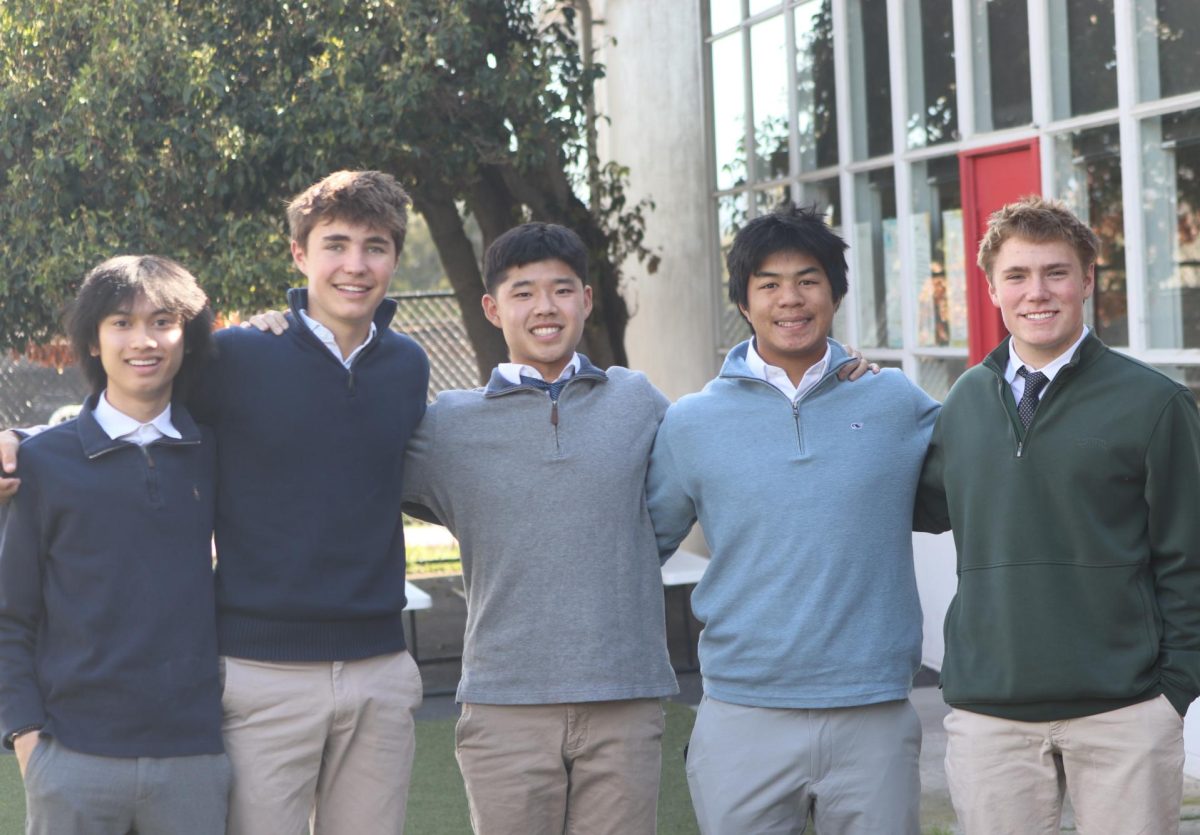
The final advancing group—Kingston Desuasido ‘27, Bobby Krumins ‘27, Jacob Kunihiro ‘27, Zander Phelan ‘27, and Max Wong ‘27—recently learned that their project was one of three in San Mateo County that won the district competition and will now advance to the state level. Titled “The Backlash to Berkeley: Reagan’s War on Counterculture & the University of California System,” their website explores how Ronald Reagan used unrest at the University of California, Berkeley during the height of the 1960s counterculture movement to elevate himself politically. Desuasdio explained that the group wanted to pursue “something local,” ultimately focusing on how Reagan “utilized…the counterculture movements at Berkeley to kind of put himself on a moral high ground” and win the governorship. Both Desuasido and Krumins emphasized that the most challenging part of the project was the depth of the research required. “Surface-level articles were not going to cut it,” Krumins said, explaining that the group spent hours searching archives and lesser-known interviews to uncover evidence that would add a “more surprising element” to their argument. They were most proud of their live presentation at districts at a Sunnyvale high school, where the competition took the form of a question-based interview. “We feel like we showcased our knowledge pretty well,” Desuasido said. Ultimately, their strong performance has now earned them a place at the state competition, where they will be the only group representing our school.