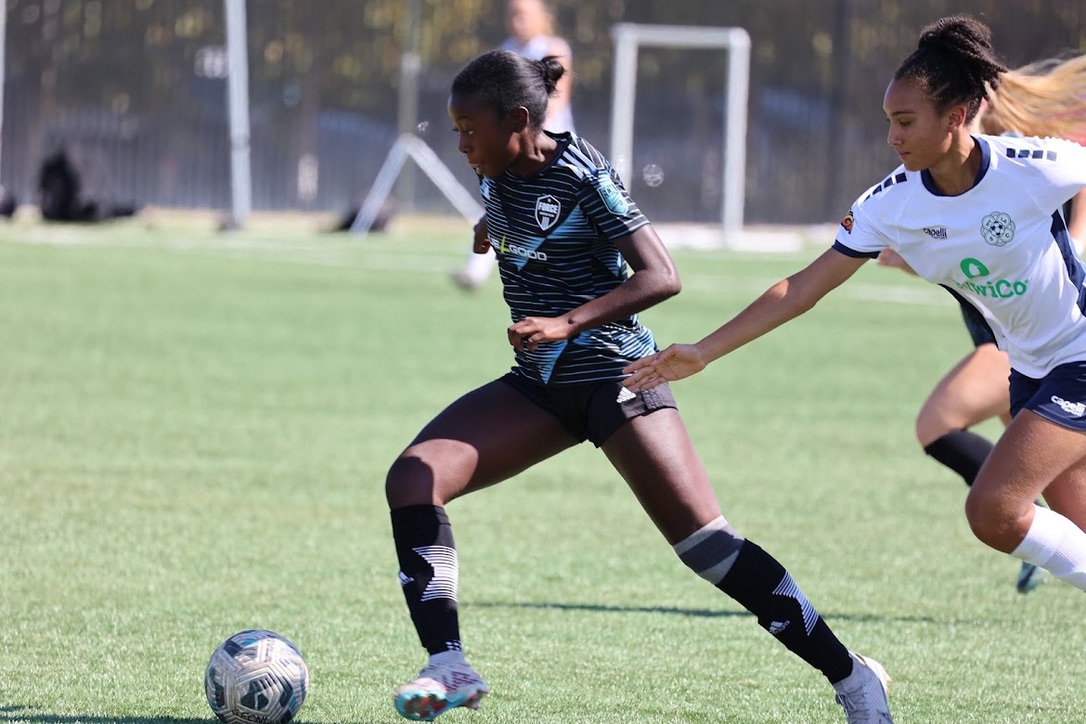

At our school, football games draw huge crowds, packing the bleachers with insurmountable student school spirit. A passerby would hear our cheers from outside of school gates. The atmosphere is electric with energy thrumming through the air. But, if you were to drop in on a tennis match, a flag football game, or a volleyball match, there would be no atmosphere. No energy. No school spirit. The stands are almost empty, scattered with a few parents and close friends.
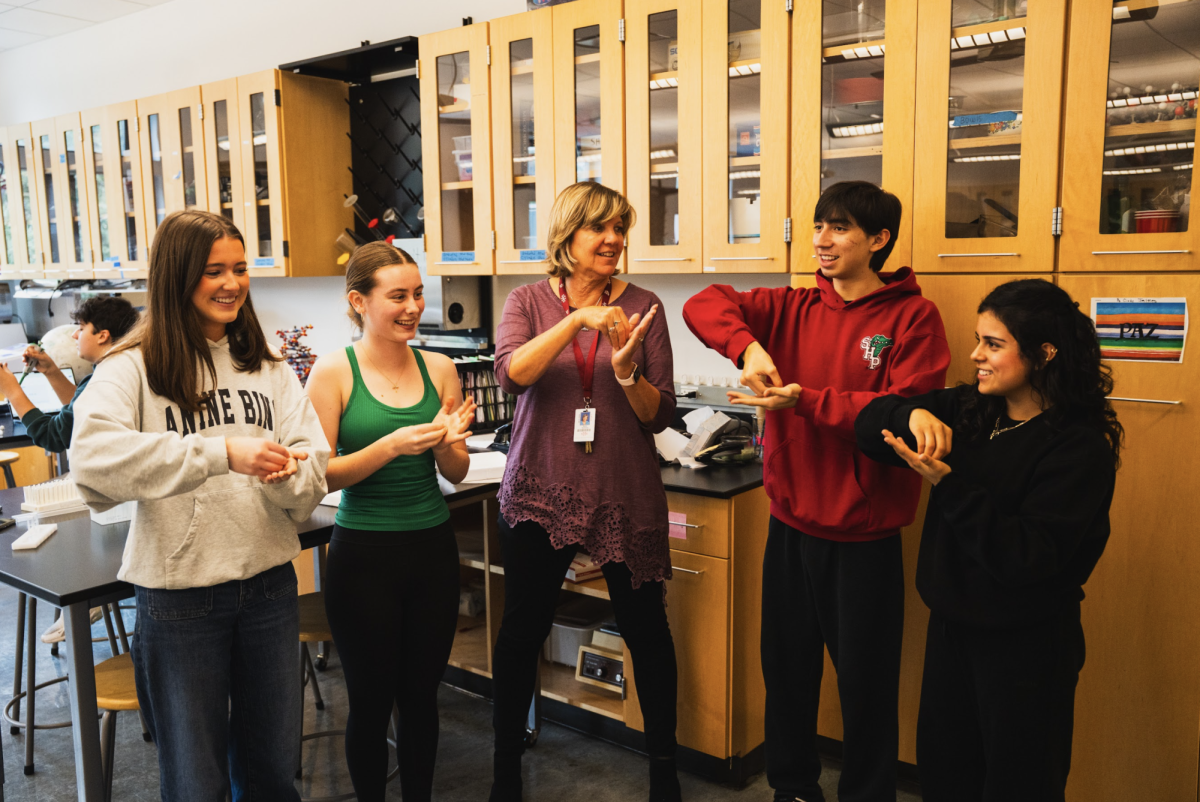
Lucy Irvine ‘27, one of the primary leaders of Women’s Group, notices this imbalance. She says, “I feel like there’s definitely a culture [at] Sacred Heart of not really going to sports games.” Irvine said “[Pulse] danced at both games, and there was a way larger number at the men’s game… on a national, rather than international level, there’s definitely a really huge disparity… as a nation, we really should just start to put more emphasis on it.”
The Heartbeat archive demonstrates the dissonance between the coverage of male and female sports over time. In a 1985 edition of the Heartbeat, there was an article covering the women’s rowing team: “Rowers Attempt To Retain State Title.” This article highlighted that the “crew was so successful that the women’s team won the California State Championship.” Also, in a 1985 article covering volleyball, “Volleyball Team Off to Fast Start,” said, “Half of their games will be played at Sacred Heart, and the team would greatly appreciate student body support.” Even in the ‘80s, Sacred Heart wanted more support at games. Looking through the archives of 1980s Heartbeat newspapers, there were two articles about women’s cross country, two about women’s basketball, four about women’s swimming, five about women’s tennis, five about women’s volleyball, and seven about women’s soccer. For years, female athletics were mainly in the spotlight. By 1993, girls’ sports were getting less and less coverage in the Heartbeat as boys’ sports became more popular. This shift in attention mirrors a broader cultural shift toward modern men’s sports.
The Girl’s Flag Football team is one of many examples of this disparity. Head Coach Mr. Denis O’Malley says, “They’re probably the most successful team at Sacred Heart that nobody’s heard of.” Irvine echoes this statement, saying, “I think that team deserves way more love, because they’re just so amazing to watch, and they’re all so talented.” Adam Barycza ‘26, a leader of the Men’s Group, agreed with this sentiment, and said “We could definitely work on making that much more equitable.” Matthew Bowers ‘26, another leader of the Men’s Group said that there are “probably four students” at a given flag football game.
Ms. Susan Lynch, one of the Varsity Tennis coaches, recalls when some students showed up to one of the matches, describing how the student’s “face [lit] up… the girls really enjoy when they have their classmates out here.” She continued and said “[attendance is] very limited in terms of numbers.”
Marie Peng ‘27, another primary leader of Women’s Group, says, “Our pride comes from our football teams.” Irvine added on to this, saying that we should “[make] a conscious effort to recognize [all] sports,” and that it “lessens school spirit” when no one shows up to games.
Players have also noticed this. Girls Varsity Volleyball players noted that “the attendance that we’ve seen has not always matched our high level of play,” and when people showed up to the Pink Out game, “it brought a lot of energy to the team, and it showed how good our team truly is … like recognition for all our hard work.” A varsity girls tennis player also mentioned that people don’t really show up to their matches, “but I wish they did.”
This doesn’t solely reflect upon SHP. Irvine raises the point that this also happens “on a national… level, there’s definitely a really huge disparity … as a nation, we really should just start to put more emphasis on [women’s sports].” Ms. Marisa Beck, the cross country coach and science teacher, also agrees with this, saying, “In the professional level, think about how many people attend the men’s basketball games or the men’s soccer games.” She says she is “very excited that we have women, local teams now, in professional basketball and soccer, but the attendance [is not great].”
These stands aren’t empty because these athletes don’t work hard. They do. It’s because we, as the student body, have decided only certain sports are “worth” showing up for. The truth is, every single SHP athlete is dedicated and deserves recognition. Yet some teams play in front of hundreds, while others play in near silence. And that silence speaks volumes.
Peng points out something deeper. She “think[s] it’s not, what can our school do? It’s like, what can our nation?” But maybe the answer starts right here, with us showing up for every team, every game, every athlete. So stop asking yourself what benefits you get out of going to sports games, and start asking how your presence can benefit our school athletes.