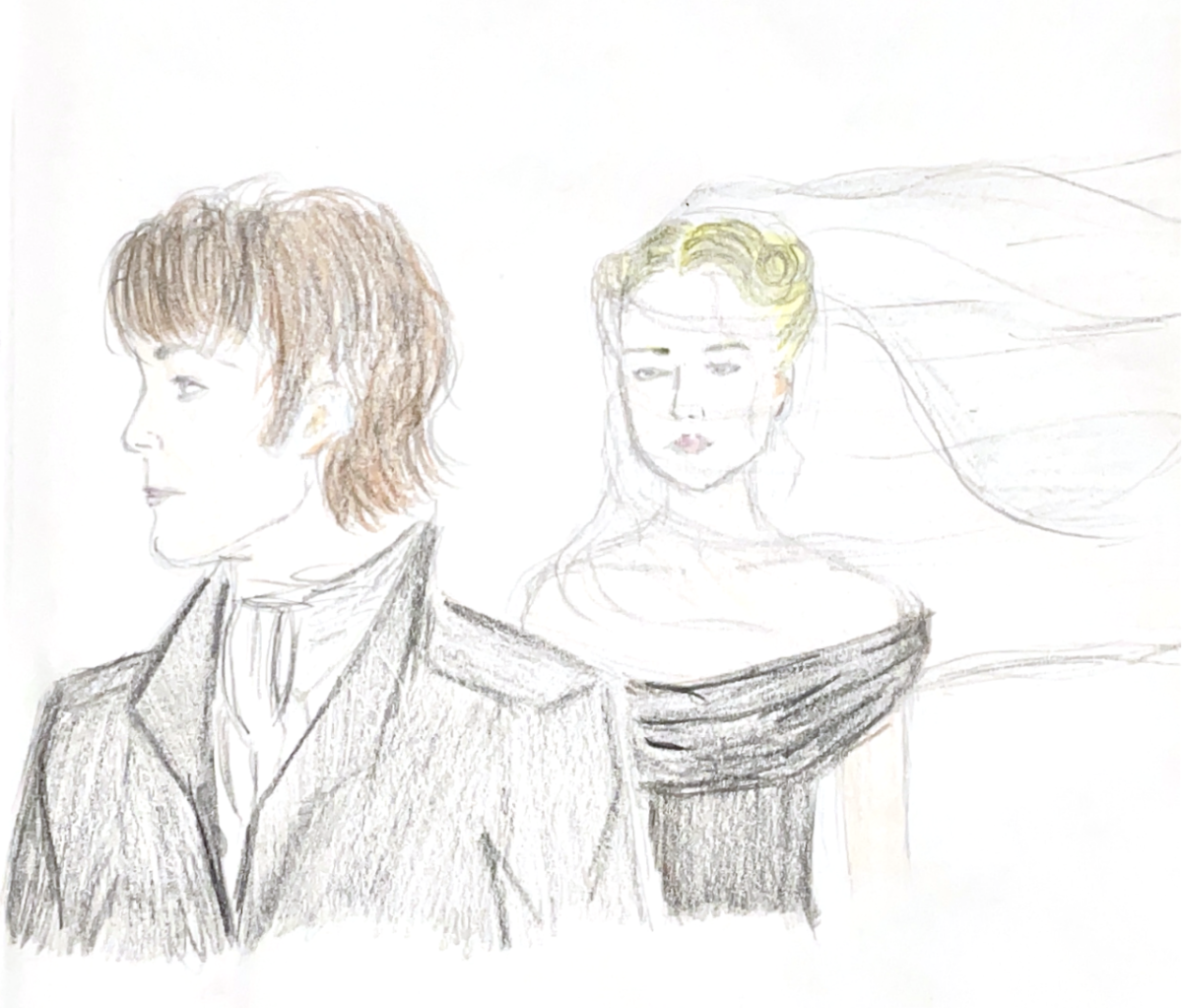
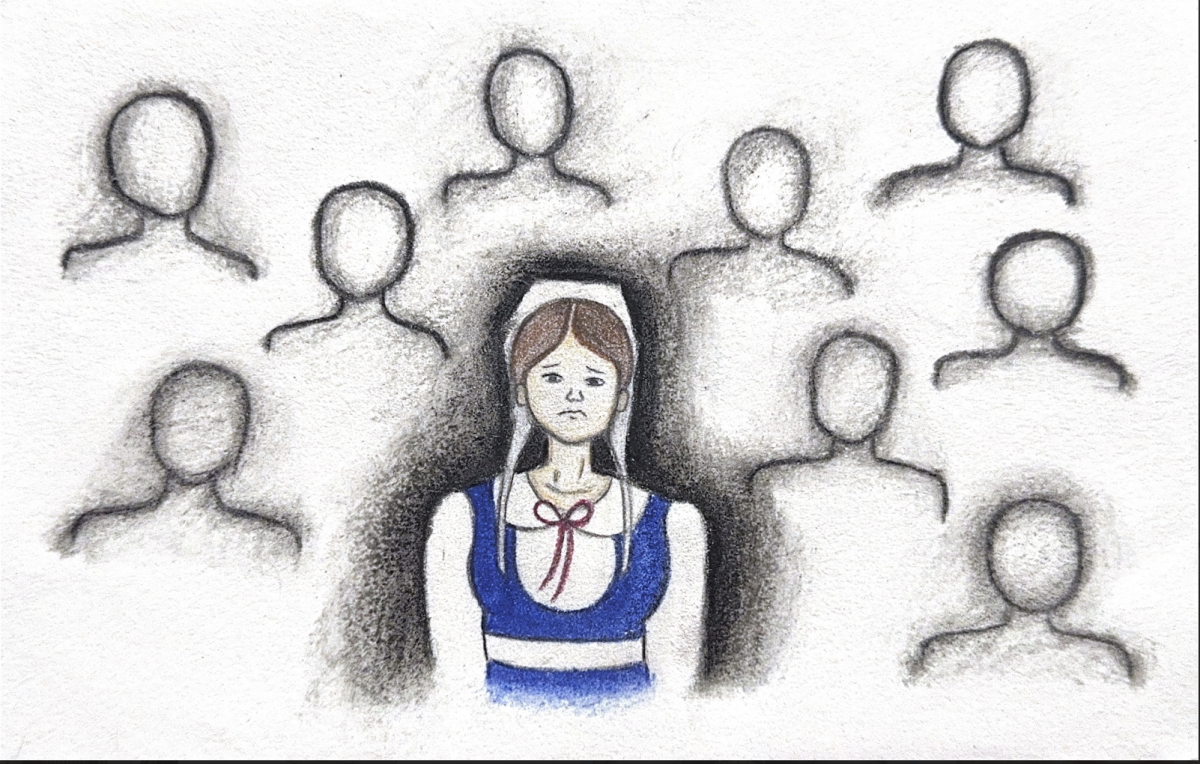
In Ruth, her luminous and intimate debut, Kate Riley turns the small, the domestic, and the ordinary into something radical. The novel follows Ruth—an unassuming homemaker and mother—as she navigates the expectations of a religious community that would rather she remain invisible. Through measured prose and devastating emotional precision, Riley delivers a portrait of womanhood marked not by grand gestures, but by the quiet defiance of endurance.
Ruth’s world is one of routine: the clatter of her home, the hum of gossip, the mundanity of everyday tasks. Yet, within these rhythms, Riley traces a profound inner life. Ruth, though seldom outspoken, questions everything — her faith, her labor, her role as a mother and a woman in a place that offers little room for selfhood. The narrative, told in close third person, unfolds in fragments and vignettes, echoing the rhythms of memory.
As the novel progresses, Ruth becomes a quiet witness to the hypocrisy of the systems around her—patriarchal authority, moral conformity, and the class divisions that shape her town. The death of her husband has rendered her both pitied and suspect; without a man to define her, Ruth becomes a vessel for other people’s assumptions. Her moments of connection with stir long-buried desires, serving as glimpses of light in an otherwise muted landscape. Riley uses these flickers to explore what autonomy might mean in a life constrained by duty and loss.
The novel’s sense of place is remarkable: the soot, the rain, the damp wool, and the cramped rooms all accumulate into a claustrophobic realism that mirrors Ruth’s emotional confinement. But Ruth is not bleak; its quiet beauty lies in the way Riley refuses to reduce her protagonist to victimhood. Ruth’s resistance is subtle, almost invisible to those around her, yet monumental in its moral weight. By continuing to live, to question, to refuse the narrative imposed upon her, she becomes a figure of unspoken rebellion.
Riley’s historical grounding feels meticulous yet organic. She captures not just the external conditions of her life, but also the internal toll of a society eager to move on from grief. In doing so, she reveals how the ordinary lives of women bear the weight of collective forgetting. The novel’s understated feminist critique emerges not through manifesto, but through empathy: Ruth’s silence becomes its own form of eloquence.
Ultimately, Ruth is a meditation on survival, the kind that happens in plain sight when no one seems to be watching. Riley’s novel elevates quiet lives into acts of defiance. By the final pages, Ruth emerges not transformed, but clarified: a woman who, by refusing to vanish, has claimed her own form of freedom.