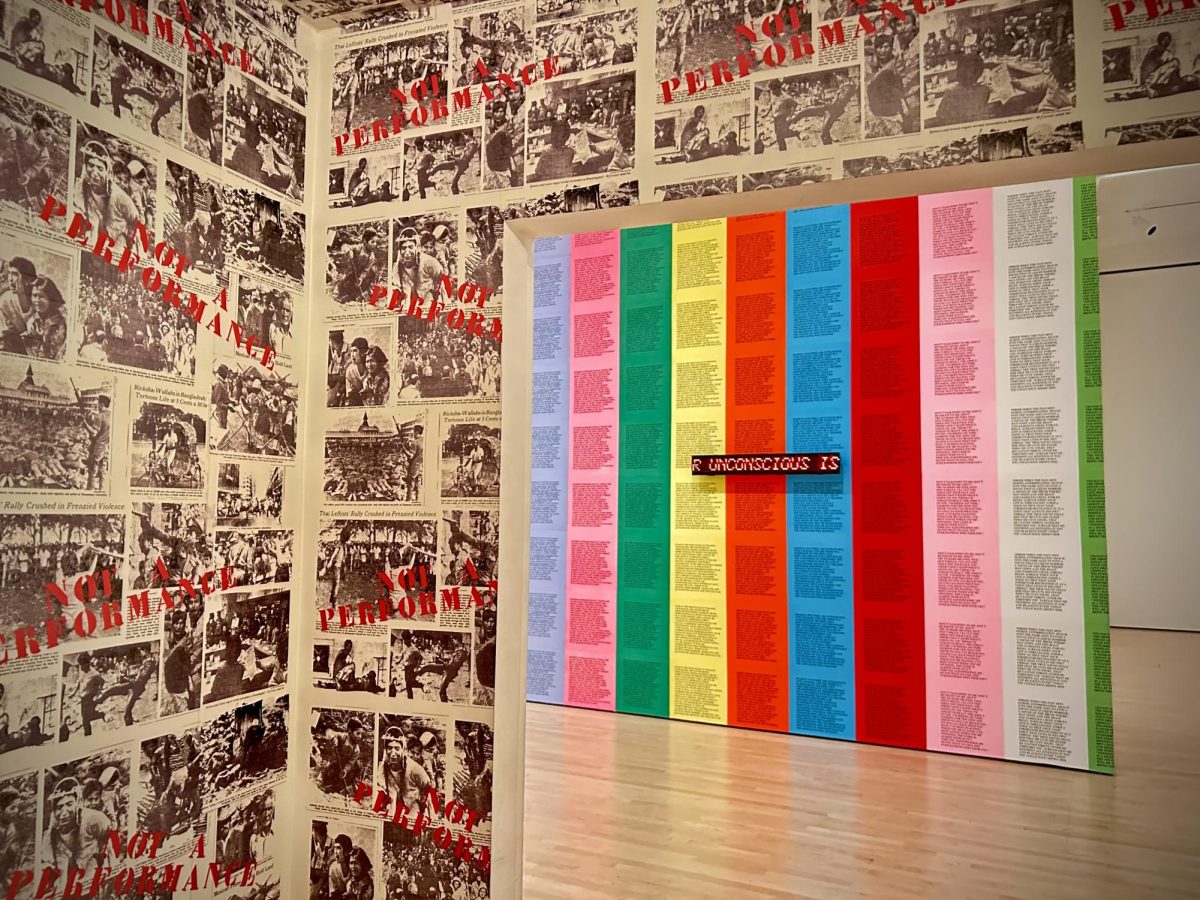
The SFMOMA is the largest modern and contemporary arts museum in the United States. However, while intended to be easily accessible — located in San Francisco, only about an hour away from school, and with their plan that allows individuals 18 or younger in for free — a surprising number of Sacred Heart students have yet to have the opportunity to experience it. On November 3, 2025, advanced and AP students across the visual art mediums, including photography, ceramics, digital art, and studio art, ventured bright and early to the SFMOMA by bus for their museum day-trip.
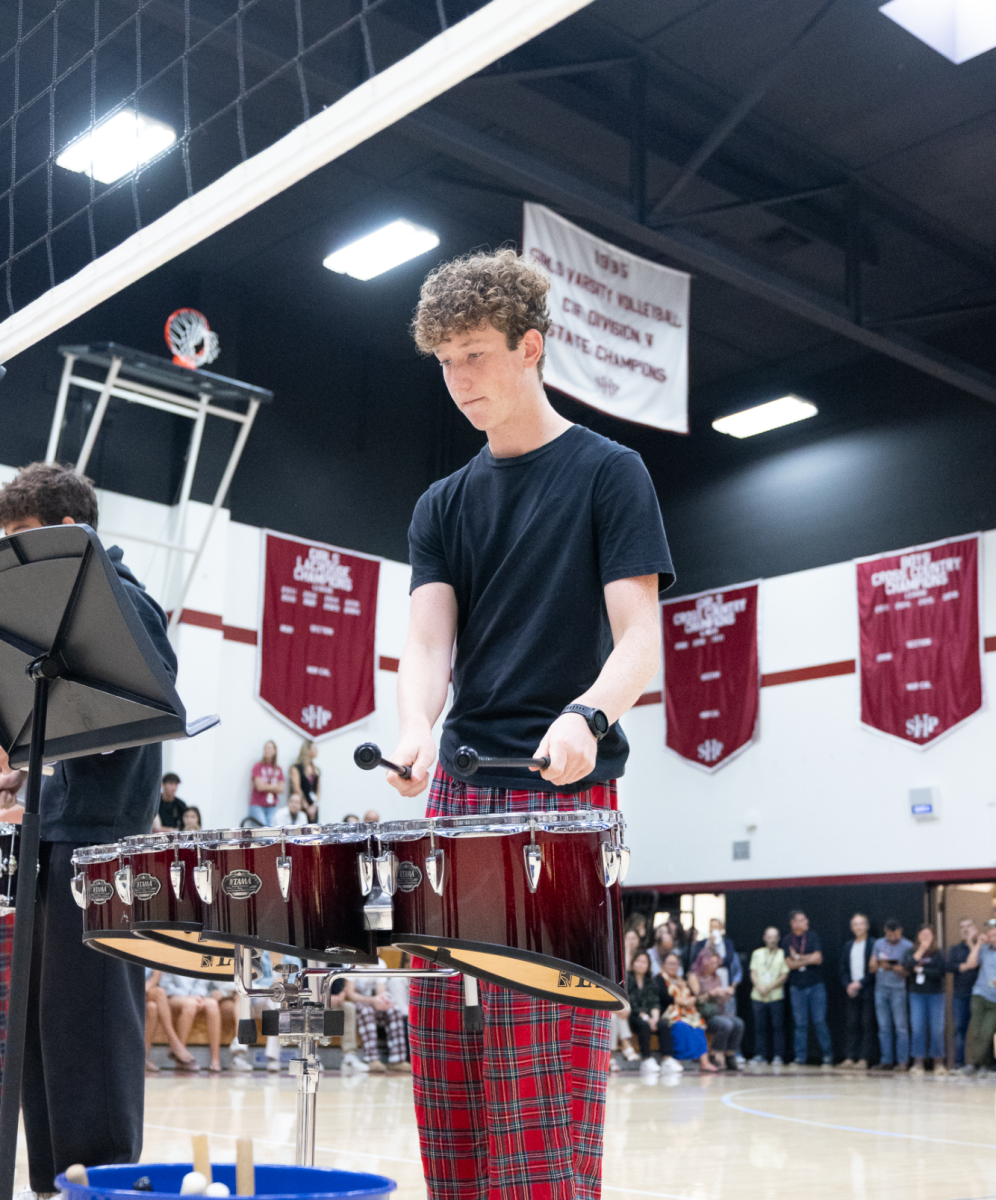
Last year, the arts department hosted another larger, week-long trip during the spring break to New York City, with a drama focus, highlighting the city’s cultural roots in the performance arts, as well as a number of college tours to select schools like AMDA, NYU, and SVA. Although Sacred Heart offers a plethora of arts electives and resources in addition to many clubs, Y-period block activities, and extracurriculars, being a majority sports and academics-heavy Prep school, the arts community remains a very tight-knit group, and is often one underrepresented in daily school life on campus. In general, art is often viewed as a less serious profession and interest.
In some cases, “people kind of forget the arts exist,” AP Studio Art student and active Palm contributor Evelyn Knestrick ‘26 said. In her own experience, as an artist across forms participating in traditional art as well as the Pulse dance team, “there’s appreciation, but it’s not as advertised. SHP is definitely sports-dominated.” Furthermore, Rallin Covey ‘26 of AP 2D and AP Studio Art, reflected on its significance on campus, especially as a student athlete and varsity baseball player who looks to art as a relaxing, “meditative” space. Even so, Covey adds that the true grit involved in classes can be misunderstood, often “not considered as ‘real APs.’” But it can go unrecognized that, like any other high-demanding course, “if you miss even one class, you fall behind. The work is constant.”
This is one reason why these fieldtrips are the highlight of the Prep’s art experience, and crucial to the AP classes to feed sustained investigations and portfolio topics by doing these immersions earlier in the fall rather than the spring. Visits over an extended period of time, in cases such as the New York Arts trip, offer once-in-a-lifetime chances for deeper community bonding, student independence, and historical education. But there’s also value in seeing art in person, in our daily environment, emphasized one main organizer, Mr. Moshe Quinn, the Fine Arts Co-Department Head and Media Arts Teacher. By dedicating time to appreciate work in physical settings, students can discover their unique reflections and “personalities in the pieces they connect with,” and exhibit an emotional “reaction” that eventually “becomes part of the creative process,” Quinn said. Furthermore, as a group, Quinn perceived that museum-goers were actively “interpreting, analyzing” work in a “higher quality of engagement.” In this way, museums like the SFMOMA are great outlets of everyday providers of inspiration, housing complex forms and pieces, created by both iconic and up-and-coming artists across seven gallery floors, where students notice the variety and freedom in contemporary art. Knestrick captured the heart of the trip, reiterating that “museum visits foster a love of creation,” in the traditional creative perspective, and beyond, out in the world, as we come to understand the strenuous effort and passion involved across every successful field, in every unconventional sense of what it means to make art.