
ChatGPT this, Gemini that. We are so focused on how large language models are affecting our society that we overlook a critical part of the AI revolution: AI generative video content. Most people encounter it every day, on TikTok, Instagram, even YouTube Shorts, but
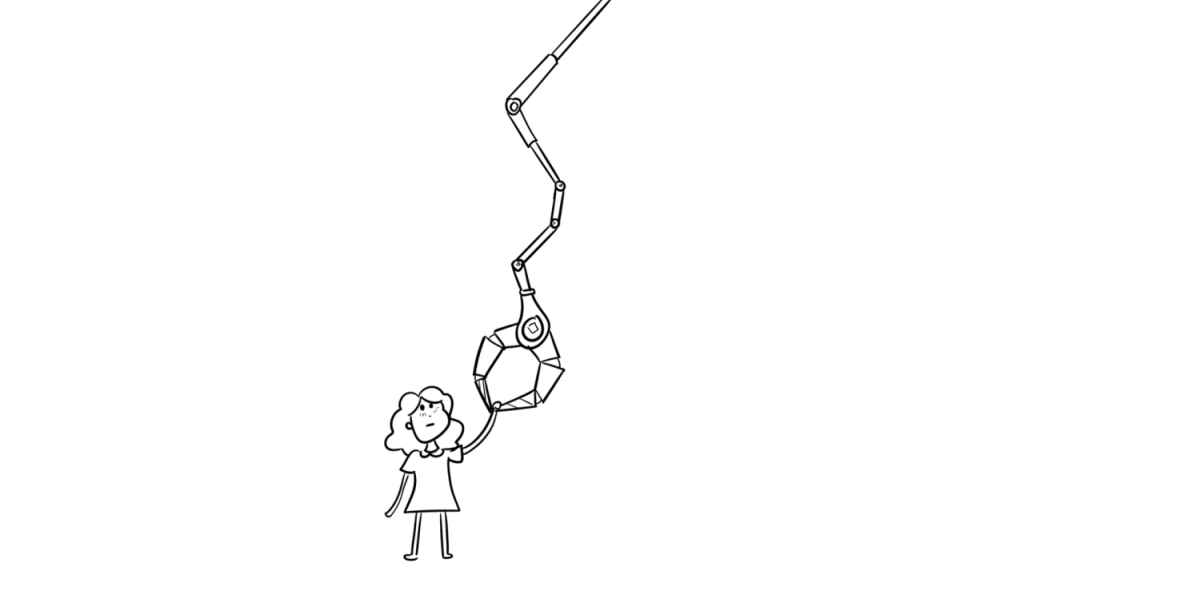
dismiss it as harmless. We keep scrolling. What we don’t realize is how deeply this content is reshaping our reality—reshaping how we view the world and what we perceive as factual. As Carlo Chisari 28 stated, AI has the potential to “either become very good or very, very bad.” With the rise of generative AI videos, like the ones from Sora, the internet is filling up with “AI slop” or “AI trash.” At first glance, these videos seem harmless, even funny. Bunnies jumping on trampolines. Talking babies. Cutting fruit. But beneath the surface something unsettling is happening: video, once our more trusted form of evidence and truth, is losing its credibility.
I find myself constantly questioning what is real and what is not.
Mr. Douglas Hosking, English teacher says, “what is real has always been a question…We might have different perceptions of [reality]…But [Sora] feels like another level.” He adds, “There’s a tension behind a fictionalized world being created, and that is so much more nuanced and layered.” That tension is already changing how people interact with the internet. Video used to feel definitive. If you saw something on camera, it meant it happened. Now, that certainty is gone. With generative AI, even footage that looks like security camera tape, breaking news, or candid moments can be completely fabricated. As a result, skepticism has become our default reaction. Pew Research Center states that “56% of U.S. adults now say they have a lot of or some trust in the information they get from national news organizations,” meaning that 44% of adults do not trust national news.
But constant skepticism has consequences. Mr. Moshe Quinn, digital art and filmmaking teacher, said, “skepticism is incredibly healthy… But if things go so far such that we feel like we cannot believe anything that we see, that’s not skepticism, that’s something else” and “potentially becomes a massive problem for a functioning society.”
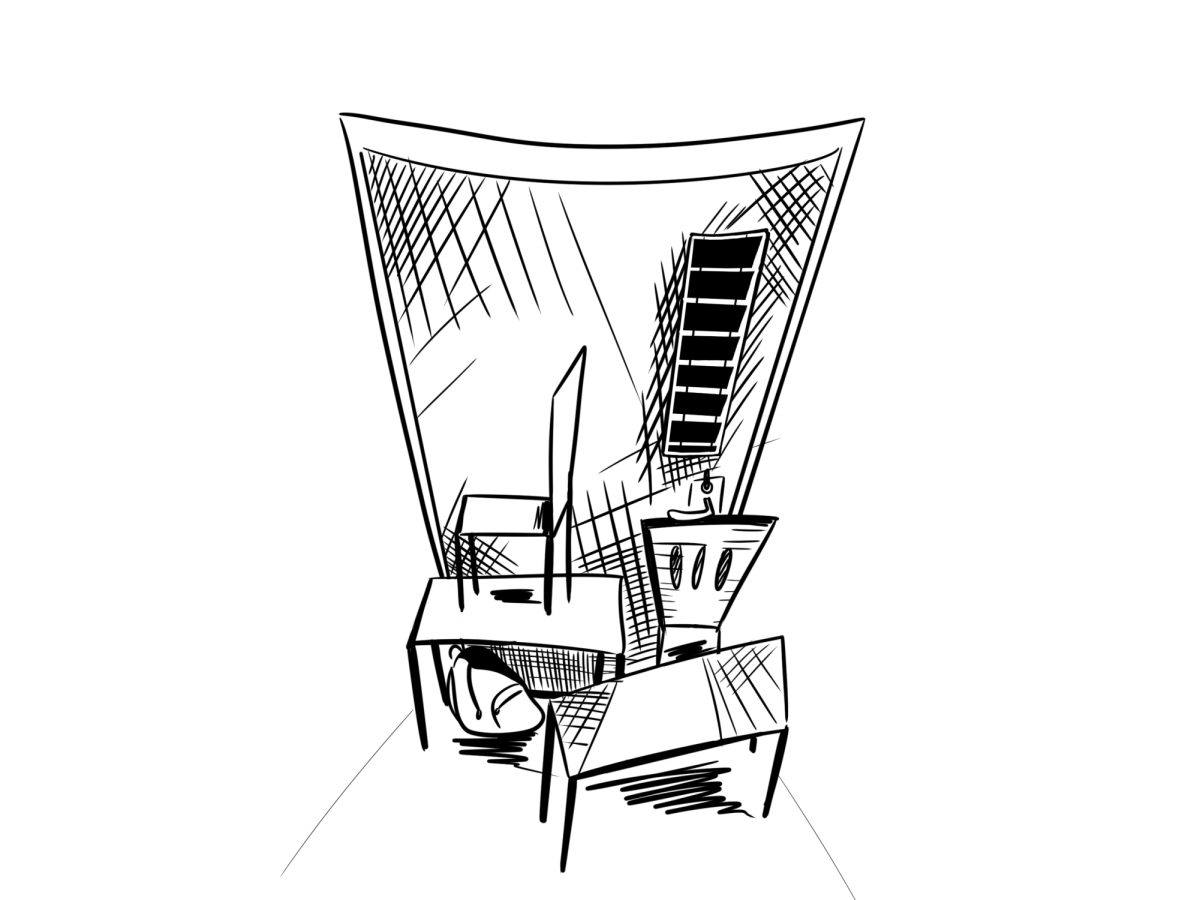
Hosking said his biggest concern is how fake videos have the potential to “change someone’s perception of a reality and then cause them to invest in that fake reality,” even having the potential to “affect their relationships.” The danger of generative AI video isn’t only that people may be fooled but what happens after they are. When someone believes a fake video, that belief doesn’t solely stay online. It bleeds into real conversations, opinions, and, as Hosking said, relationships. This ambiguity becomes especially troubling when AI-generated videos are used in political contexts. A fake video showing people celebrating or protesting can shape how viewers interpret reality and sway political views. Quinn questioned whether we can “have meaningful political discourse with each other about anything if we are essentially in disbelief about any piece of evidence or any documentation of a fact.”
Maira Srivastava ‘28 noted that someAI-generated videos can be flat-out unsettling, even scary, like the Sora baby videos, that“actually scared me so bad because babies shouldn’t be able to talk like that.” Hosking had a similar experience with a different Sora clip that he called “absurd”
But there are some worthwhile uses of apps like Sora. Carlo Chisari ‘28, a filmmaking student, called Sora “pretty positive, with the effects it has. It allows for greater creative freedom and a greater ability to do things with filmmaking.” Chisari said it is “a pretty cool use application,” but also “very controversial, especially in art.” Quinn mentioned a student who used “generative AI… [to] produce an element that was integrated [which exemplified] the craft and the editing skills of the student.” Sora, in this instance, was used thoughtfully and “allow[ed] for greater creative freedom and, like, a greater ability to do things with filmmaking,” said Chisari. Quinn asked, “is it better for a student to be able to explore an idea with this tool that makes it readily available to explore such interesting original ideas and integrating it?” He added that the student “can explore the idea [using Sora] and actually just see how it works [in their film] versus only imagining it and then not doing it because these traditional pathways for doing it are not practical and out of reach.”
Quinn pointed out that “some people are excited about having zero crew to produce a film, because… all you need to do is just be at a computer, typing in prompts.” But in essence, the controversy over AI generated visual art comes down to a question of human agency. “[Storytelling is] an engagement with a human mind or a collective of human minds. Something they want to express,” said Quinn. “Stories are all about meaningful communications. And I think that people are going to value having that kind of dialogue with artistic and creative people who are really people that have human experiences of loss and regret and striving for something. Those are experiences that we all live into, and we relate to these stories because we live those experiences.”
Hosking advised that “We have to be able to figure out if it’s real first. Then we can engage. I know it’s exhausting, but I know too, like as you practice anything, intellectual, physical, it gets easier.” Hopefully, we can learn to slow down, question what we see, and practice the difficult work of figuring out what is real, because only then can we truly engage with the world, each other, and the stories we choose to believe.