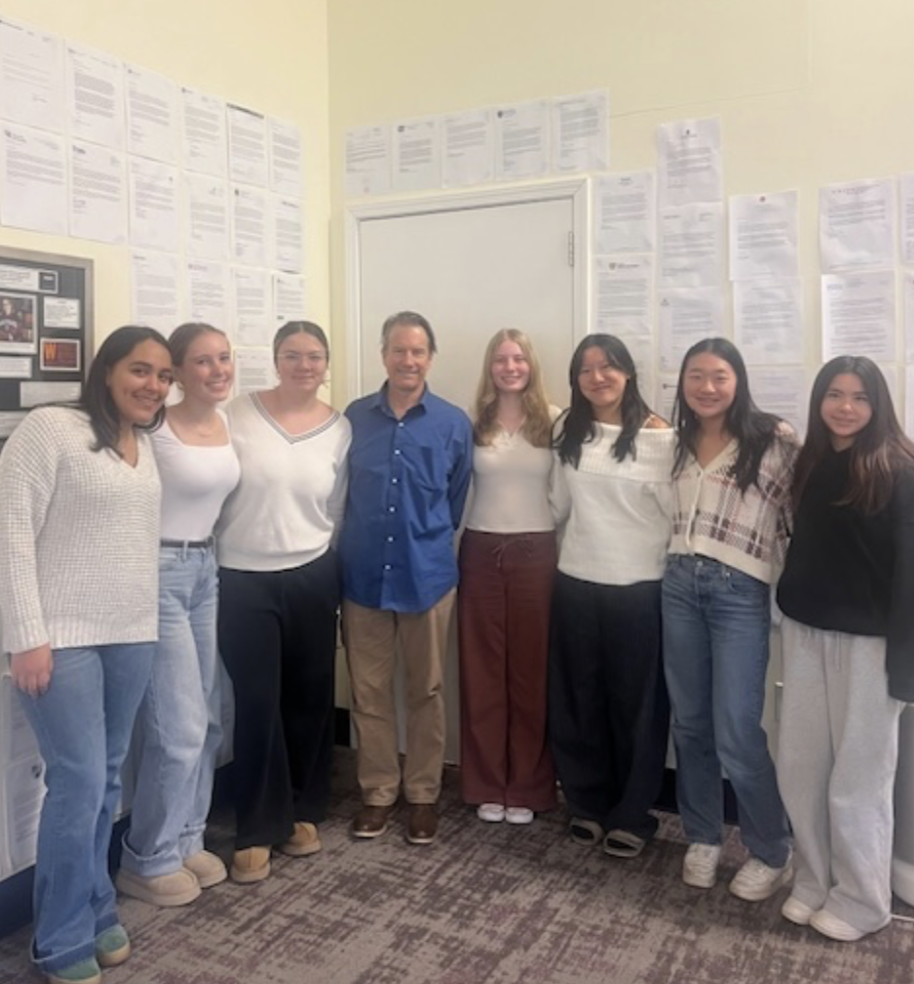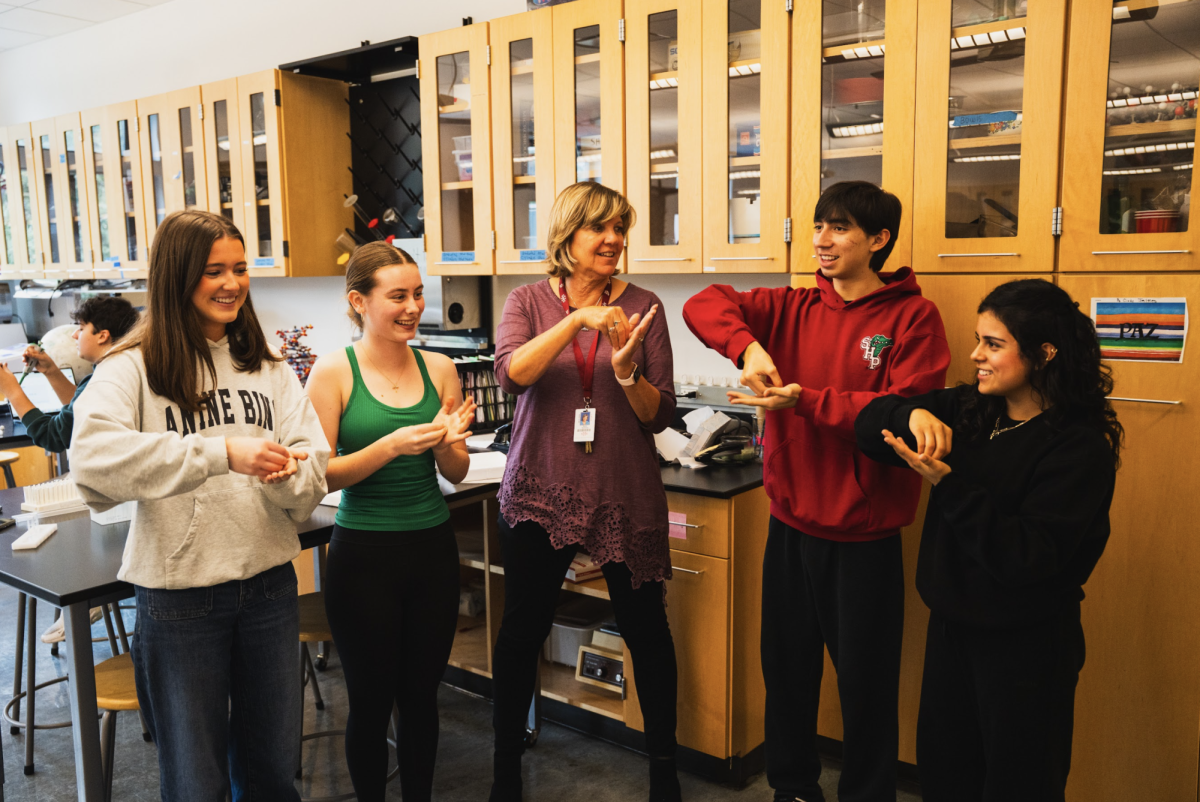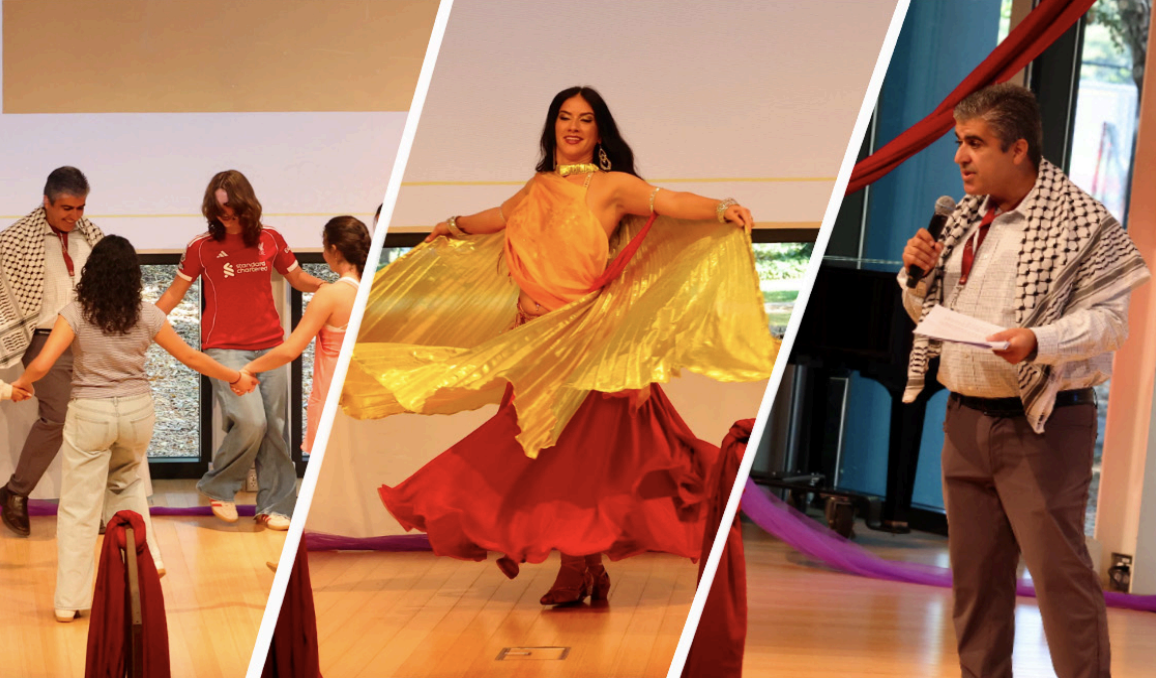
Sacred Heart began a brand new student-led program called Community Cohorts on Halloween. This initiative mixed students from all four grades together into several groups, encouraging students to get to know more of their peers.
This idea started within SURJ (Social Unity Rooted in Justice), one of SHP’s Tier 3 leadership groups focused on affinity spaces and student belonging. The initiative’s aim was to make a more unified and connected school environment.
Samora Stephens ‘26, a SURJ leader, explained that they were “planning an event that combined our community together,” noting that Gators can often be “separated from each other, whether it’s because of the sport we do, production we do, or just different clubs and activities.”
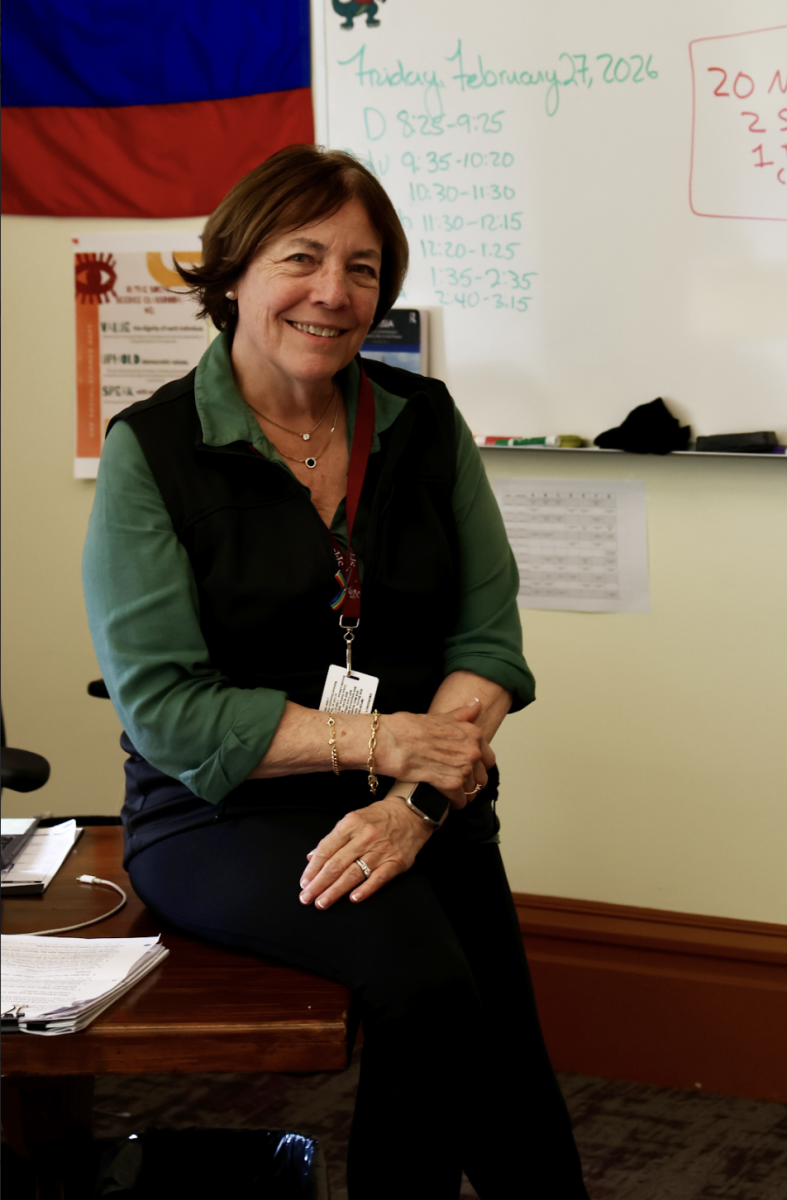
Dr. Kate Middleton, the adult moderator of SURJ, explained that the origin of the idea came from a conference in Washington DC many of the student leaders went on last school year. “They really thought about how to build relationships,” Dr. Middleton explained, and wanted to have the opportunity to foster that connection by “working across grade levels.”
While the vision was there, the logistics of the cohorts proved to be a bit more difficult. Stephens noted that forming groups was challenging, explaining that SURJ worked to put students who might not normally interact at school in the same cohort. She shares an anecdote about how “one of [her] best friendships happened last year in track season,” with “someone [she had] looked up to since middle school,” but had never really gotten to know. Stephens explains that there’s a profoundly fulfilling joy of reaching out and forming new connections, and she “wants more people to realize that” through the community cohorts.
The first launch of Community Cohorts certainly came with challenges. Stephens said “it was definitely more chaotic than expected, but still had a good turnover.” She rated the event a “six or seven out of ten… not even joking.” She noted that many Gators were initially uncertain about the event on account of being separated from their close friends, but ended up embracing it and “didn’t hate it as much as they thought.”
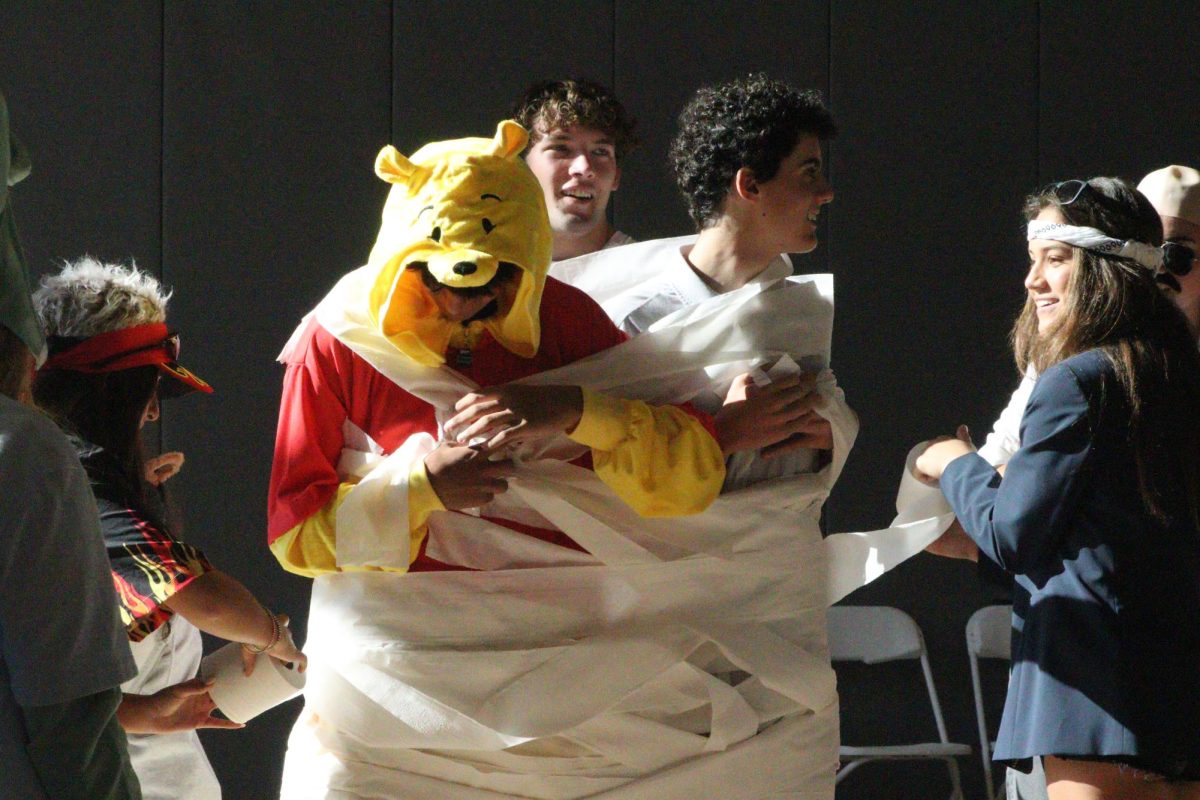
In fact, Marcus To ‘26 shared that he “really enjoyed it…[He] thought the idea was amazing.” In particular, he appreciated how he “got to interact with people [he’s] never interacted with,” noting that “usually you don’t get the chance to talk to other grades.” He spoke highly of the spooky Mummy Wrapping activity, saying that, as a whole, “it was a great chance to connect between grades that we don’t usually get, and also a fun way to celebrate Halloween.”
ASB members were also reasonably involved in the Community Cohorts, helping to run stations and coordinate activities alongside SURJ leaders. ASB members Chachi Boesen ‘26 explained that, initially, ASB members were left “a little in the dark” about the planning, and ASB would have appreciated more communication as their expertise is in larger student-oriented events like school dances, freshman lock in, and Spirit Week. Despite initial communication challenges, Boesen said that “it ended up fantastic,” with many students at his station adapting quickly and having a good time together.
Moving forward, ASB will hold regular meetings with SURJ leaders to plan the November and January cohorts. Together, they will collaborate on logistics and dream up new and exciting activities for Gators, and ultimately ensure even smoother execution of the Community Cohort events. Boesen echoed the goal of the Community Cohorts and ASB’s purpose behind its involvement, saying they want to “create a space where people are kind of forced to and given the opportunity to talk to people, like seniors talking to freshmen they would never otherwise meet.”
Student leaders believe the Community Cohort event will continue to strengthen school culture. Stephens notes the importance of the Community Cohorts being student-run, as it “invokes the initiative onto the rest of the students,” empowering them to “run this whole big thing.” She finds it energizing that herself and others can help contribute to something bigger than themselves “by participating and not complaining,” which will in turn allow students to “bridge connections” and feel a greater sense of belonging in the Sacred Heart community.
In the future, SURJ leaders hope to continue expanding the reach of Community Cohorts and continue to refine how SHP students interact with each other. Dr. Middleton emphasized that these groups will be focused on thoughtful reflection and intentional growth, explaining that they are “trying to self reflect” and “think about what belonging without [exclusion] looks like.”
Stephens excitedly added that the future cohorts will “be even better, because we are keeping people in their own cohorts, in their own stations,” allowing students to build deeper connections with their new groups and contribute to greater inter- and intra- grade association and relationships at SHP.